
Hand Hoe Tools: A Comprehensive Guide for Gardeners

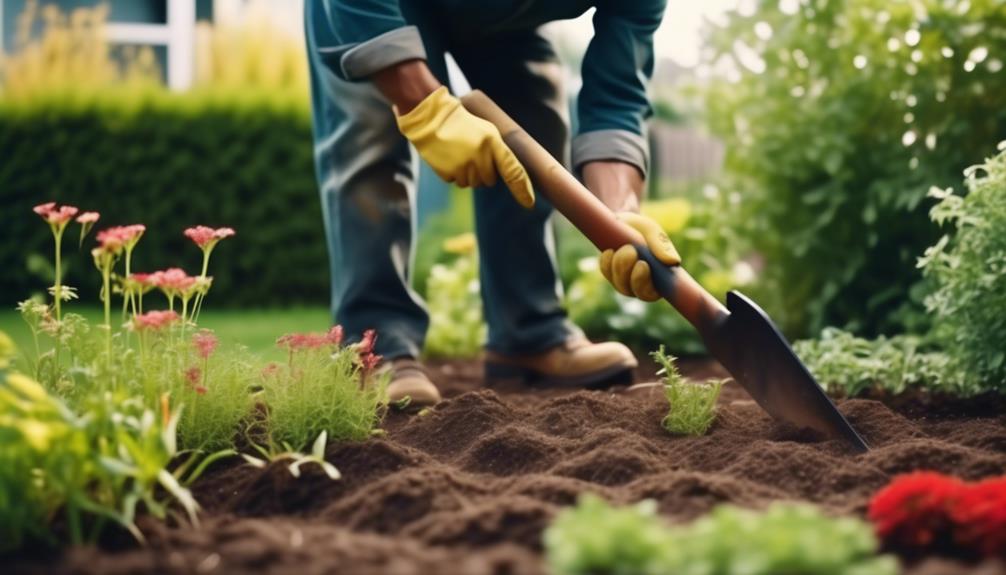 Hand Hoe Tools A Comprehensive Guide for Gardeners
You know the saying, ‘A bad workman blames his tools,’ but when it comes to gardening, having the right tools can make all the difference.
Hand hoe tools are essential for any gardener, but with so many options available, it can be overwhelming to know which one is right for you.
In this comprehensive guide, you’ll discover the different types of hand hoes, how to choose the best one for your gardening needs, and the proper maintenance techniques to ensure they remain in top condition.
Whether you’re a seasoned gardener or just starting out, mastering the art of hand hoe tools can elevate your gardening game to a whole new level.
Key Takeaways
- Understanding the different types of hand hoes helps in selecting the most suitable tool for specific gardening tasks.
- Choosing a hand hoe with a comfortable grip, sturdy blade, and suitable size and weight is important for ease of use and effectiveness.
- Proper handling and maintenance, including cleaning, sharpening, and inspecting the blade, is essential for efficient and effective use of hand hoes.
- Implementing efficient gardening practices such as optimizing garden layout, grouping plants with similar needs, and using versatile tools like hand hoes can maximize efficiency and productivity in the garden.
Types of Hand Hoes
When choosing a hand hoe for your gardening needs, consider the specific tasks you’ll be performing and the features that will best suit your requirements.
There are various types of hand hoes, each designed for specific purposes in the garden. For tending to garden beds, a traditional hand tool with a sharp, angled blade is ideal for shaping and clearing soil. This type of hoe is efficient for breaking up clumps of soil and creating smooth, level planting areas.
If you’re focused on weeding, a scuffle hoe, also known as a stirrup hoe, is incredibly effective. Its hula-hoe design allows you to swiftly move through the soil, cutting off weeds at their roots without disturbing the surrounding plants.
Additionally, for working with the soil in your garden, a diamond hoe with a pointed blade is excellent for making furrows, digging small holes for planting, and cultivating between rows.
Understanding the different types of hand hoes and their specific uses will help you select the most suitable tool for your gardening tasks.
Choosing the Right Hand Hoe
To choose the right hand hoe for your gardening needs, carefully consider the type of tasks you’ll be performing and the specific features that will best suit your requirements.
Make sure to look for a hand hoe with a comfortable grip that will allow you to work for extended periods without causing discomfort.
Additionally, ensure that the blade of the hand hoe is sturdy and durable, capable of handling the specific gardening tasks you have in mind.
Consider the size and weight of the hand hoe as well, as this will impact both ease of use and storage.
Furthermore, research different blade shapes and angles to find the hand hoe best suited for your specific gardening requirements.
Proper Handling and Maintenance
After using your hand hoe, be sure to clean and dry it thoroughly to prevent rust and prolong its lifespan. Regular maintenance is essential for keeping your hoe in top condition. Here are some tips to help you properly handle and maintain your hand hoe:
- Cleaning and Drying:
- Remove any dirt or debris from the blade and handle using a brush or cloth.
- Wipe the hoe with a dry cloth to ensure it’s completely dry before storing.
- Blade Maintenance:
- Regularly sharpen the hoe blade to maintain its effectiveness.
- Inspect the blade for any signs of wear or damage and address any issues promptly.
Best Practices for Using Hand Hoes
Properly maintaining your hand hoe is essential for efficient and effective use in gardening tasks. This includes regular cleaning and blade sharpening.
When using the hand hoe, position it at a shallow angle to the soil. This allows you to efficiently slice through weeds and loosen the top layer of soil. It also helps you work with precision and minimize soil disturbance.
To maneuver the hand hoe, use short, swift motions. This reduces strain on your wrists and back while effectively managing weeds and aerating the soil.
Keeping the blade sharp is crucial for clean cuts and efficient weeding. A sharp blade ensures that you can easily remove weeds without damaging surrounding plants.
The hand hoe can also be used to create furrows for planting seeds or bulbs. This ensures a consistent depth for optimal growth.
Remember to regularly clean and oil the hand hoe to prevent rust and maintain its longevity and effectiveness.
Maximizing Efficiency in Your Garden
Consider streamlining your gardening tasks by strategically planning your garden layout to optimize space and minimize wasted effort. Start by grouping plants with similar water and sunlight needs together, allowing for efficient watering and maintenance. Additionally, consider interplanting compatible crops to make the most of available space and encourage natural pest control.
When it comes to tools, using the right ones for the job can streamline tasks and save time. For example, hand hoes are versatile for weeding and cultivating, reducing the need for multiple tools. Furthermore, implementing efficient watering techniques such as drip irrigation or soaker hoses can minimize water usage and labor, maximizing the effectiveness of your gardening efforts.
In addition, utilizing mulch can suppress weeds, retain soil moisture, and reduce the need for frequent watering and weeding. This not only saves time and effort but also promotes a healthier garden environment.
Lastly, regularly maintaining and sharpening your tools is essential to ensure they perform at their best, saving time and effort in the long run.
Hand Hoe Safety Precautions
Maximizing efficiency in your garden involves not only strategic planning but also ensuring hand hoe safety precautions are followed while working with your tools.
Firstly, always wear sturdy, closed-toe shoes or boots to protect your feet from accidental hoe strikes. This simple step can prevent serious injuries.
Secondly, use the hand hoe with a firm grip and keep a steady, controlled motion to prevent accidental injuries to yourself or others. It’s important to be mindful of your surroundings and ensure there are no people or pets nearby when using a hand hoe.
Additionally, store hand hoes in a safe and secure location to prevent accidental tripping or falling hazards.
Lastly, regularly inspect the hand hoe for any damage or signs of wear and tear, and replace it if necessary to prevent accidents during use.
Innovative Uses for Hand Hoes
Hand hoes offer a versatile range of innovative uses in the garden, from precise weeding to creating seed drills and cultivating soil in tight spaces. Here are some innovative uses for hand hoes:
- Creating Seed Drills:
Hand hoes can be used to create straight and evenly spaced furrows for planting seeds, ensuring optimal seed depth and spacing for efficient germination and growth.
- Mixing in Soil Amendments:
By using the blade of a hand hoe to mix in soil amendments such as fertilizer or organic matter, you can ensure that these beneficial additions are thoroughly incorporated into the soil, promoting healthy plant growth.
With their ability to perform tasks ranging from weeding to cultivating, hand hoes provide gardeners with a versatile tool for a variety of innovative uses. Whether you need to create precise furrows for planting seeds or mix in soil amendments to enrich the soil, the hand hoe is a valuable tool for maintaining a thriving garden.
Frequently Asked Questions
What Is the Most Important Tool Every Gardener Should Have?
The most important tool every gardener should have is a hand trowel. It’s versatile, essential for digging, weeding, and transplanting. Plus, it’s compact and easy to use in various garden tasks.
What Tools Do I Need to Be a Gardener?
To be a gardener, you need trowels for transplanting, pruning shears for cutting, and gloves for protection. Shovels and spades are essential for digging and transferring soil. With these tools, you can cultivate a flourishing garden.
What Is the Difference Between a Warren Hoe and a Regular Hoe?
A Warren hoe has a V-shaped blade for precise weeding and cultivating in tight spaces, while a regular hoe with a broad, flat blade is more versatile for general gardening tasks like breaking up soil and creating furrows.
What Is the Difference Between a Dutch Hoe and a Hoe?
The Dutch hoe has a flat, broad blade for surface weeding, while a regular hoe has a more pointed blade for shaping and clearing soil. Dutch hoes are for pushing and pulling, while regular hoes are for chopping and digging.
Conclusion
Now that you have learned about the different types of hand hoes and how to choose the right one for your gardening needs, remember that using hand hoes can save you time and effort in the garden.
In fact, studies have shown that using hand hoes for weeding and cultivating can increase efficiency by up to 50%.
So, grab your hand hoe and get ready to make your gardening tasks easier and more productive!