


Having sharp scissors makes many household tasks easier and more efficient. But repeated use will inevitably dull the blades over time.
Discover how sandpaper, aluminum foil, steel wool, and more can be used to hone scissors right at home between professional sharpenings. With a few basic tools and techniques, you can maintain razor-sharp scissors for all your cutting tasks.
Having sharp scissors is essential for many tasks like sewing, crafting, gardening, and more. But with regular use, scissors can become dull and need periodic sharpening. This guide covers the top 10 methods for sharpening scissors at home.
Having sharp scissors makes many household tasks easier and more efficient. But repeated use will inevitably dull the blades over time.
Periodically sharpening your scissors restores the edges so cuts are smooth and effortless once again. This comprehensive guide covers 10 easy methods for sharpening dull scissors using common household items.
Discover How to Sharpen Scissors, aluminum foil, steel wool, and more can be used to hone scissors right at home between professional sharpenings. With a few basic tools and techniques, you can maintain razor-sharp scissors for all your cutting tasks. Here are the top 10 easiest methods to sharpen scissors.
Periodically sharpening your scissors restores the edges so cuts are smooth and effortless once again. This comprehensive guide covers 10 easy methods for sharpening dull scissors using common household items.
Things You’ll Need to Sharpen Scissors
Before getting started sharpening your scissors, you’ll want to gather the necessary tools. Having the right sharpening materials on hand will make the process easier and more effective.
Sandpaper, aluminum foil, steel wool pads, mason jars, sewing pins, knife sharpeners, sharpening stones, rotary tools, scissor sharpeners, protective gloves, and paper for testing are the key items to have. Coarse to fine grit sandpaper provides an abrasive surface for removing metal and forming a fresh edge.
Steel wool and aluminum foil act as improvised miniature sharpening stones. Hardened glass mason jars reshape blades through friction. Sharpening attachments for rotary tools restore edges with precision.
Dedicated scissor sharpeners with carbide or ceramic abrasives offer foolproof sharpening. And test paper lets you check sharpness after each method. Preparing these basic sharpening tools will set you up for success in honing dull scissors back to smooth, sharp performance.
Before getting started, gather the necessary sharpening tools:
- Sandpaper (150-200 grit)
- Aluminum foil
- Steel wool soap pad
- Mason jar
- Sewing pin
- Knife sharpener
- Sharpening stone
- A rotary tool with a sharpening attachment
- Scissor sharpener
- Protective gloves
- Paper for testing
Method 1: Sharpening Your Scissors With Sandpaper
Sandpaper offers a simple, effective way to sharpen scissors at home. Just a few strokes through folded sandpaper removes tiny amounts of metal to form a fresh, sharp edge.
This method demonstrates how different grit sandpapers can quickly hone scissor blades for smooth, precise cuts. From coarse to fine, sandpaper is a versatile sharpening tool easily found in most homes.
Sandpaper is an effective way to sharpen scissors at home. Here’s how:
1. Fold a piece of 150-200 grit sandpaper in half so the rough sides are out.
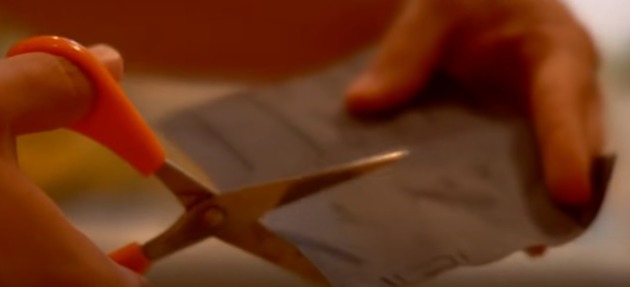
2. Open and close the scissors while cutting through the sandpaper. Make 10-15 full strokes from the base of the blades to the tip.
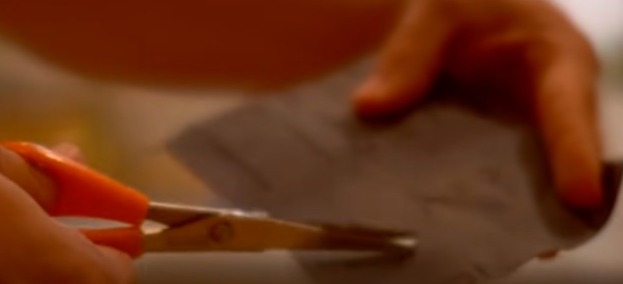
3. Wipe the scissors clean with a soft cloth. Tiny fragments of sandpaper can remain between the blades.

4. Test the sharpness by cutting through a piece of paper. Snipping should feel smooth and effortless.
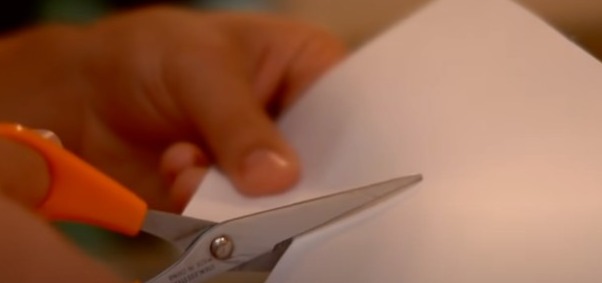
5. Repeat Steps 2-4 if additional sharpening is needed.
The abrasive surface of sandpaper removes small amounts of metal to form a fresh, sharp edge. Start with a lower grit around 150 and step up to a finer 200 grit for a polished finish.
Method 2: Sharpening Your Scissors With Aluminum Foil
Around the house, aluminum foil provides a handy improvised sharpening material for revitalizing dull scissors. The foil’s malleable surface makes sharpening scissors straightforward.
Simply cut through folded foil strips to reshape and realign the cutting edges. Aluminum is soft enough to hone scissors yet strong enough to abrade the steel. Keep some foil handy for a quick sharpening session anytime.
Aluminum foil is a handy household item that doubles as a scissors sharpener:
1. Fold a sheet of aluminum foil into a thick strip about 1/2 inch wide.
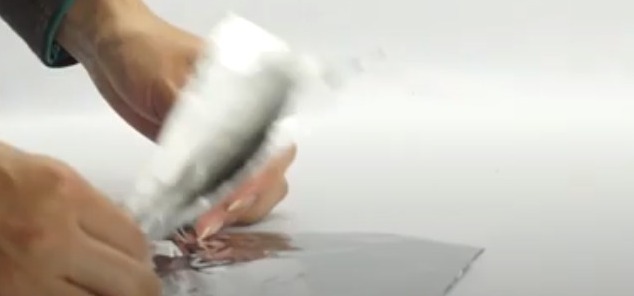
2. Cut through the foil strip 10-15 times with full strokes from base to tip.
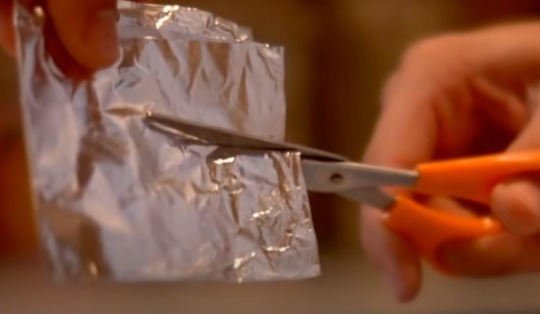
3. Wipe the blades completely clean with a soft cloth. Tiny foil fragments can remain lodged between the blades.
4. Test the sharpness on a piece of paper. Repeat steps 2-3 if needed.
The aluminum in foil is soft enough to hone scissors blades back to sharpness. The foil conforms to the beveled shape of the blades for an even, razor-sharp edge.
Method 3: Sharpening Your Scissors With Steel Wool Soap Pad
Steel wool soap pads give you an ultra-fine abrasive surface for sharpening scissors right at home. The tiny steel fibers act like miniature sharpening stones to expertly hone scissor blades.
Steel wool’s flexibility prevents clogging while its soap lubricates. Rinsing away debris prevents rusting. Discover how this household scrubber doubles as an effective sharpening tool.
Steel wool soap pads offer a super fine abrasive surface for sharpening. Follow these steps:
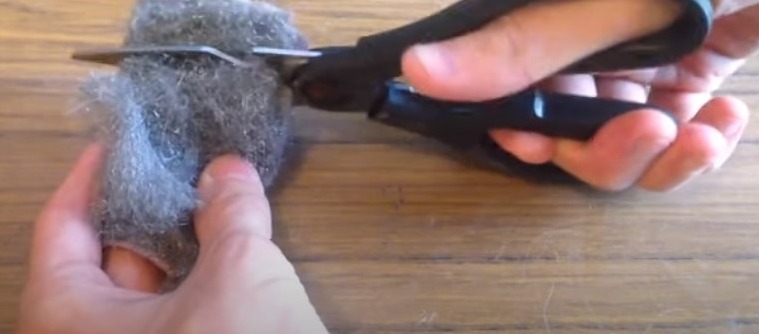
1. Use scissors to cut notches across the pad 10-15 times.
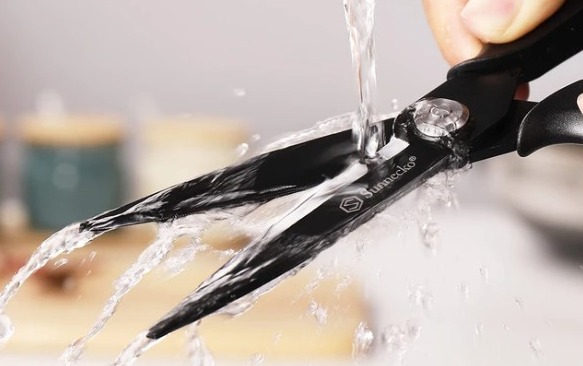
2. Rinse the scissors blades under running water to remove steel wool fragments. Wipe clean.
3. Test the sharpness on a piece of paper. Repeat steps 1-2 if the scissors remain dull.
The fine steel wool fibers act like microscopic sharpening stones to abrade and realign the cutting edges. Rinsing prevents leftover debris from rusting or scratching.
Method 4: Sharpening Your Scissors With Mason Jar
The rounded, hardened glass surface of a mason jar offers an ideal improvised sharpening tool. Grip a jar while opening and closing the scissors to smooth and shape the beveled blade edges.
The hardness of glass is perfect for honing and conforming to the inner curve of scissor blades. Keep a jar in your sharpening kit for an easy way to maintain sharp scissors.
A glass mason jar’s rounded surface can be used to hone scissor blades:
1. Place the mason jar snugly between the closed scissor blades.

2. Grip the jar while opening and closing the scissors in a cutting motion. Make 10-15 passes.

3. Test the sharpness on a piece of paper. Repeat if needed.
The hardness of glass is ideal for smoothing and shaping the beveled edges of scissors. The jar’s curve also matches the inner blade angle.
Method 5: Sharpening Your Scissors With Sewing Pin
For precision sharpening, a common sewing pin provides a slender metal target. Placing a pin between the blades and cutting across it expertly hones the inner cutting-edge curves.
The thin metal pin targets the edges along the pivot point for detailed sharpening. Discover how this basic notion item offers a foolproof sharpening method.
A sewing pin offers a precise sharpening tool for scissors:
1. Place a pin snugly between the closed scissor blades near the pivot point.

2. Open and close the scissors while gripping the pin. Make 10-15 passes.
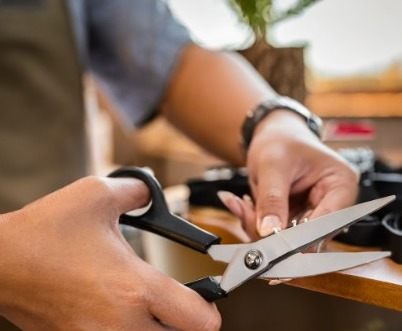
3. Test the sharpness on a piece of paper. Repeat as needed for very fine sharpening.
The slender metal pin targets the cutting edges along the inner blade curves with precision. This works well for the detailed sharpening of small scissors.
Method 6: Sharpening Your Scissors With Knife Sharpener
Many standard knife sharpeners have slots that also work for sharpening scissors. Carbide and ceramic V-shaped slots quickly reshape scissor blades.
Follow the manufacturer’s instructions to safely hone scissors using your existing sharpener. The right model provides an effective, guided approach to scissor sharpening at home.
Standard knife sharpeners with a V-shaped sharpening slot work for scissors too:
1. Refer to the sharpener’s instructions for sharpening scissors.
2. Grip the first scissor blade flat in the slot and slide from base to tip 10-15 times.

3. Repeat with the second blade.

4. Test the sharpness on a piece of paper. Give additional passes as needed.
Look for sharpeners with a carbide or ceramic V-slot. Some models have dedicated scissors slots with crossed carbide rods.
Method 7: Sharpening Your Scissors With Sharpening Stone
Sharpening stones provide a classic manual approach to sharpening scissors. Lubricate the stone and draw blades across in smooth strokes to abrade and realign the beveled edges.
With practice, whetstones sharpen scissors to a polished, razor-sharp finish. Learn this traditional sharpening technique passed down through generations.
Whetstones offer a manual approach to sharpen scissors:
1. Wet the stone and hold the first scissor blade flat with the beveled edge facing the stone.

2. Draw the blade across the stone 10-15 times from base to tip using even, gentle pressure.
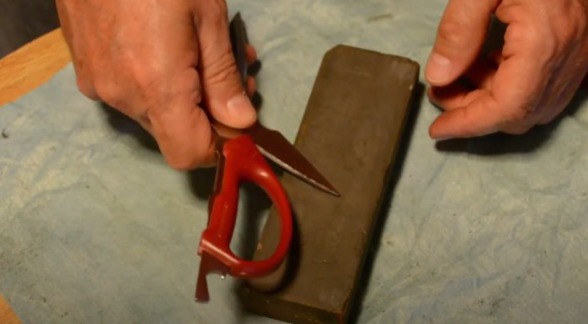
3. Flip and repeat on the beveled edge of the second blade.
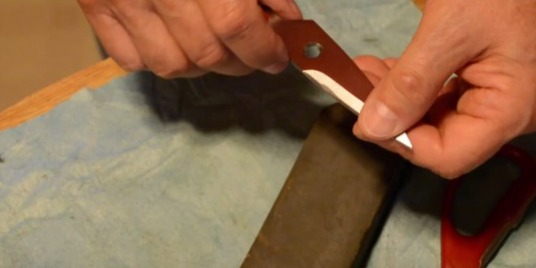
4. Rinse blades and check sharpness on a piece of paper. Repeat as needed.
Opt for a medium India stone or Arkansas stone with a grit of around 1000. Lubricate the stone with water or mineral oil while sharpening.
Method 8: Sharpening Your Scissors With Rotary Tool
Rotary tools outfitted with sharpening stone attachments can safely sharpen scissor blades. Work slowly with even motions to avoid overheating and damaging the steel.
The rotary tool’s high-speed sharpening action restores a precise edge in minutes. Discover how this power tool expands sharpening options for quality results.
Rotary tools like Dremels work for sharpening scissors:
1. Secure the first scissor blade in a vise or clamp.
2. Fit the rotary tool with a sharpening stone attachment. Lubricate the stone.
3. Holding the rotary tool firmly, sharpen the beveled blade edge with smooth, even motions. Make 10-15 passes.

4. Repeat the process for the second blade.
5. Test the sharpness on a piece of paper. Give additional passes if needed.
6. Take safety precautions and work slowly to avoid overheating and damaging the blades.
Method 9: Sharpening Your Scissors With Scissor Sharpener
Dedicated scissor sharpeners with carbide rods or ceramic wheels offer an easy way to maintain sharp blades. Electric models allow hands-free sharpening for convenience.
Follow the instructions to correctly position blades for a flawless edge. Scissor sharpeners take the guesswork out of sharpening for barber shears or household scissors.
Dedicated scissor sharpeners offer an easy, effective option:
1. Refer to the model’s instructions for proper scissors positioning.

2. Insert the first blade into the sharpening slot and make 10-15 passes from base to tip.
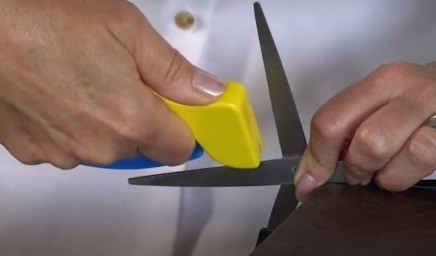
3. Repeat with the second blade.

4. Test the sharpness on a piece of paper. Give additional passes if needed.
Look for sharpeners with carbide rods or ceramic grinding wheels. Electric models allow hands-free sharpening.
Method 10: Professional Sharpening
For best results, have scissors professionally sharpened periodically by a service with quality grinding equipment. This will keep scissors performing like new for years.
For best results, consider having scissors professionally sharpened periodically. Look for local sharpening services that use high quality grinding equipment to accurately reshape blades. Professionals can also remove nicks and dents.
Pro sharpening every year or two will keep scissors performing like new. In between professional treatments, use the at-home methods above to maintain sharpness.
FAQs About Sharpening Scissors
1. How often should you sharpen scissors?
Sharpen scissors whenever they begin to feel dull, typically every few months with regular use. More frequent sharpening is needed for heavy duty barbering or sewing scissors.
2. What household items can sharpen scissors?
Sandpaper, aluminum foil, steel wool pads, mason jars, sewing pins, knife sharpeners, sharpening stones, and rotary tools with sharpening attachments can all sharpen scissors at home.
3. How do you sharpen scissors without a sharpener?
Cutting through sandpaper, aluminum foil or a steel wool pad are easy ways to sharpen scissors without a dedicated sharpener. A mason jar, sewing pin or sharpening stone also works.
4. What is the best way to sharpen scissors?
Using a dedicated scissor sharpener or taking them to a professional sharpening service generally provides the best results. But the do-it-yourself methods in this guide work well for home maintenance sharpening.
5. How do you sharpen thinning shears?
Thinning shears can be sharpened just like regular scissors using any of the methods described in this guide. Take care to evenly sharpen both sides of the thinning blades.
6. Can you sharpen scissors with a knife sharpener?
Yes, many knife sharpeners have a slot or guide for sharpening scissors. Look for a knife sharpener with a carbide or ceramic V-slot.
7. What grit sharpening stone is best for scissors?
A medium India stone or Arkansas stone with a grit of around 1000 generally works well for sharpening scissors. Use a lower grit stone for initial sharpening and a finer stone for polishing.
8. How do you remove burrs after sharpening scissors?
After sharpening on a stone, use a leather strop or very fine sandpaper to remove any small burrs along the cutting edges. Rinsing blades also help remove debris.
9. Should you sharpen both sides of the scissors?
Yes, it’s important to evenly sharpen both blades of a scissor pair. This maintains proper alignment and cutting performance.
10. How do you sharpen serrated scissors?
Use a round sharpening rod or ceramic rod sharpener designed for serrated blades. Make sure to sharpen each serration.
11. What is the best way to sharpen scissors at home?
The best way to sharpen scissors at home is by using a sharpening stone or a piece of sandpaper. For the sharpening stone method, you need to disassemble the scissors and run the edge of each blade across the stone. For the sandpaper method, fold the sandpaper in half with the coarse side out and use the scissors to cut through it. This helps to sharpen the blades.
12. Can I use aluminum foil to sharpen scissors?
Yes, you can use aluminum foil to sharpen scissors. Fold a piece of aluminum foil lengthwise multiple times to create a thick strip. Then, use the scissors to cut through the foil. This process helps to sharpen the blades. However, it’s important to note that this method only extends the life of a dull blade and does not technically sharpen it.
13. How do I know when it’s time to sharpen my scissors?
If you notice that your scissors are struggling to cut paper or fabric, or if they are leaving jagged edges, it’s likely time to sharpen them. Dull blades can make tasks more difficult and can even damage the material you’re trying to cut.
14. Can I sharpen kitchen scissors the same way as regular scissors?
Yes, the process of sharpening kitchen scissors is similar to that of regular scissors. You can use a sharpening stone, sandpaper, or aluminum foil. However, always ensure to clean the scissors thoroughly after sharpening to remove any residue.
15. What is the role of the beveled edge in scissors?
The beveled edge of the blade is the part that needs to be sharpened. It’s the angled part of the blade that comes into contact with the material being cut. When sharpening, it’s important to only sharpen this beveled section and not the flat inside part of the blade.
16. Can I use a Dremel or a handheld rotary tool to sharpen scissors?
Yes, a Dremel or a handheld rotary tool can be used to sharpen scissors. However, this method requires a bit of practice and caution to avoid damaging the scissors or injuring yourself. It’s recommended to use this method only if you’re comfortable with using such tools.
17. How do I maintain sharp scissors?
To maintain sharp scissors, clean them regularly to remove any residue that could dull the blades. Also, use the scissors for their intended purpose only. For example, fabric scissors should not be used to cut paper or other materials. Regularly test the sharpness of the scissors and sharpen them as needed.
18. Can all types of scissors be sharpened?
Most types of scissors can be sharpened. However, some scissors with special coatings or certain types of blades may not be suitable for home sharpening. Always check the manufacturer’s instructions before attempting to sharpen such scissors.
19. What should I do if my scissors are still dull after sharpening?
If your scissors are still dull after sharpening, you may need to repeat the sharpening process. If they remain dull after multiple attempts, it might be time to replace them. Over time, the blades of scissors can wear down to the point where they can no longer be effectively sharpened.
20. Can I sharpen scissors like a pro?
Yes, with a bit of practice and the right tools, you can sharpen scissors like a pro. Learning how to sharpen scissors properly can save you money in the long run as you won’t need to replace dull scissors as often. It’s a useful skill that can help you maintain the effectiveness of your tools.
Key Facts about How to Sharpen Scissors
Sharpening dull scissors is easy with common household items. Sandpaper, aluminum foil, steel wool, and mason jars all act as improvised sharpening tools. Simply cut through these abrasive surfaces to realign and hone the blades. For precision, use a sewing pin between the blades. Many knife sharpeners also work for scissors.
Classic manual options like sharpening stones take practice but produce a polished edge. Rotary tools outfitted with sharpening attachments restore sharpness quickly. Electric scissor sharpeners are foolproof for maintaining shears and barber scissors.
For the best edge, get professional sharpening periodically. With routine honing using these methods, scissors will stay sharp and cut smoothly. Sharpening takes just minutes and saves money on new scissors while making DIY tasks easier.
Here are the key facts about sharpening scissors in bullet point form:
- Sandpaper, aluminum foil, and steel wool pads provide abrasive surfaces to reshape and realign blades
- Place sewing pin between closed blades and cut across for precision sharpening
- Many knife sharpeners work for scissors – follow the manufacturer’s instructions
- Sharpening stones take practice but produce a polished razor edge
- Rotary tools with sharpening attachments quickly restore sharpness
- Electric scissor sharpeners offer foolproof sharpening for shears
- Get professional sharpening periodically for the ultimate edge
- Routine honing with these methods keeps scissors sharp for smooth cuts
- Sharpening takes just minutes, saves money on new scissors, makes DIY tasks easier
- Occasional home sharpening plus professional services keep blades sharp
Sharp scissors are a must for many DIY, crafting, barbering, and gardening tasks. But repeated use will dull the blades over time. This guide covers multiple ways to sharpen scissors at home using sandpaper, aluminum foil, steel wool, a mason jar, a sewing pin, a knife sharpener, a sharpening stone, a rotary tool, a scissor sharpener, and professional sharpening services.
Testing scissors after each sharpening method on paper will ensure a crisp, razor-sharp edge. Periodic sharpening and honing extend the life of quality scissors, saving time and frustration down the road. Keep this guide handy to refresh scissors as needed for smooth, effortless cutting every time.