


Magnetizing a screwdriver is an easy process that can make many DIY tasks more convenient. Having a magnetic tip allows the screwdriver to hold screws in place, preventing them from falling out of reach in tight spaces or getting lost in the workings of complex machinery.
For hobbyists, electricians, PC builders, and anyone who needs to handle small screws, a magnetized screwdriver can be a handy tool to have.
This guide will provide a comprehensive overview of magnetic screwdrivers. It will cover the benefits of using one, the science behind how they work, different methods to magnetize a standard screwdriver, maintenance tips, and applications where a magnetic screwdriver can help streamline your work.
With just a few simple tools and techniques, you can turn an ordinary screwdriver into a magnetic marvel.
Understanding Magnetic Screwdrivers
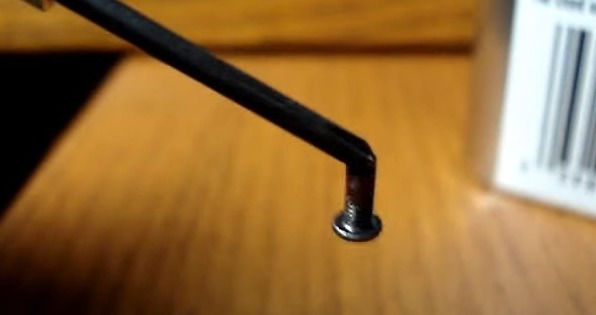
A magnetic screwdriver is a standard screwdriver that has been magnetized to hold screws to the tip. This allows for one-handed operation, as the magnetic tip secures the screw while it is driven into place.
Magnetic screwdrivers are made by inducing a magnetic field onto standard steel screwdrivers. This is done by repeatedly stroking the tip with a magnet, which aligns the magnetic domains within the steel and causes it to become magnetized.
The resulting magnetic field emanates from the tip, creating an attractive force that allows it to pick up screws and other small ferromagnetic objects.
The key features of magnetic screwdrivers include:
-
Convenience: The magnetic tip provides easy handling and placement of screws, especially in hard to reach areas where fingers cannot access. This allows for one-handed operation.
-
Security: The magnetic hold prevents screws from slipping, falling, or getting lost during tasks. This helps avoid damage or loss of tiny components like those found in electronics and machinery.
-
Versatility: In addition to handling screws, magnetic screwdrivers can be used to retrieve small metal objects like nuts, bolts, and washers in tight spaces. The magnetic tip provides a handy pickup tool.
The science behind magnetic screwdrivers lies in the physics of magnetism. When an external magnetic field is applied to a ferromagnetic material like iron or steel, the atoms within the material align their electron spins to match the external field.
This creates a net magnetic field within the material that remains even after the external field is removed.
Stroking a screwdriver with a magnet repeatedly in one direction applies a strong external magnetic field to the tip. This field causes the electron spins in the iron atoms to align, magnetizing the screwdriver tip.
The resulting magnetic field enables it to attract and hold screws made of ferromagnetic metals like steel, iron, nickel, and cobalt.
Magnetizing a screwdriver is a quick, simple, and reversible process. The magnetic hold lasts indefinitely but can be removed by applying a reversing magnetic field. Overall, magnetic screwdrivers provide versatility and convenience by enabling one-handed operation and a handy metal pickup tool.
Step-by-Step Guide on How to Magnetize a Screwdriver
Magnetizing a standard screwdriver only requires a few simple tools and techniques. Here are four easy methods:
Using a Magnet
Step 1: The easiest way to magnetize a screwdriver is to simply stroke the tip with a strong magnet repeatedly. This aligns the magnetic domains and induces magnetism.

Step 2: Obtain a strong magnet, ideally a neodymium or rare earth magnet with at least 0.25 lbs of pull force. Ring magnets work well.
Step 3: Starting near the handle, place the magnet on the screwdriver shaft and slowly drag it towards the tip in one smooth motion.
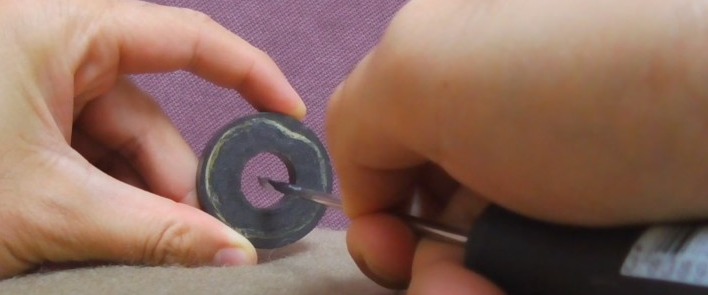
Step 4: Repeat this stroking motion 10-15 times, slightly rotating the screwdriver each pass. Use the same polarity each time.
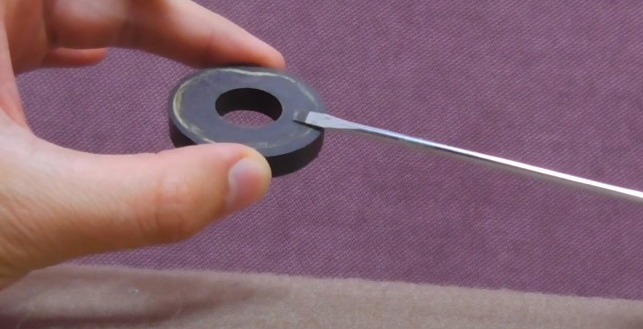
Test the magnetic hold with some metal screws. The screwdriver tip should now attract and pick up screws.
Using a Battery
Wrapping wire around the screwdriver and running a current through generates a magnetic field to magnetize the tip.
Step 1: Strip 1-2 inches of insulation off the ends of an insulated copper wire.
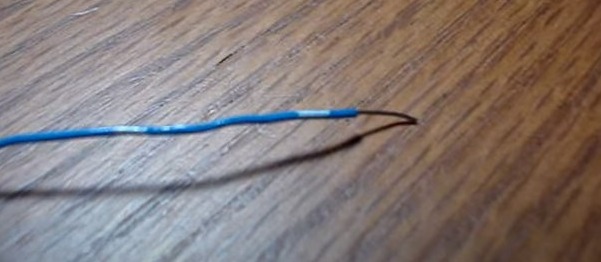
Step 2: Wrap the bare wire tightly around the screwdriver shaft 10-20 times, a 1/2 inch from the tip.
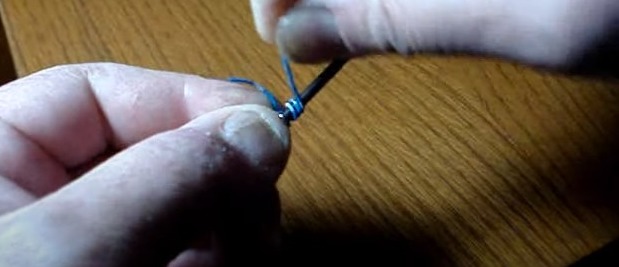
Step 3: Attach the wire ends to a 6V or 9V battery to complete the circuit for 20-30 seconds. This magnetizes the tip.

Step 4: Remove the battery and test the magnetic hold. Re-wrap more coils if needed.
Using a Commercial Magnetizer Tool
Hardware stores sell handy tools designed specifically for magnetizing screwdrivers.
Step 1: Obtain a commercial screwdriver magnetizer tool.

Step 2: Insert the screwdriver tip into the magnetizing slot/chamber.
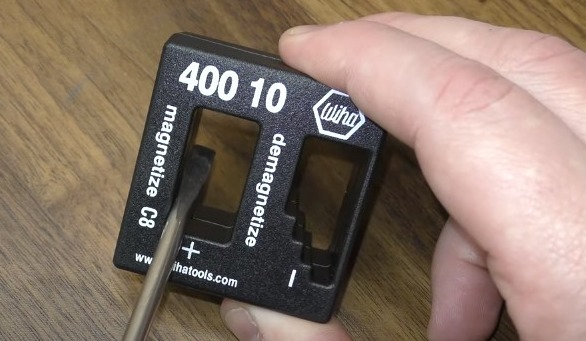
Step 3: Draw the screwdriver out slowly and smoothly to magnetize the tip.

Using a Hammer
A physics trick allows magnetization by gently hammering the tip while aligned north-south.
Step 1: Tape a screwdriver horizontally with the tip pointing north.
Step 2: Lightly hammer the tip 25-50 times. This aligns domains.
Step 3: Test the magnetic hold. Repeat hammering if needed.
With any method, remember to stroke smoothly in one direction and test the magnetic hold regularly. Magnetizing a screwdriver only takes minutes and the results last for years.
Benefits of Using a Magnetic Screwdriver
Magnetic screwdrivers offer several benefits. They can make tasks more efficient by holding screws in place, preventing them from getting lost or causing damage. They are versatile and can be used in various fields, from electronics to carpentry.
Magnetic screwdrivers are also safer to use when building PCs, as they reduce the risk of dropping screws into delicate components.
Magnetic screwdrivers provide several advantages that make DIY tasks easier and more efficient:
-
Increased efficiency: The magnetic hold allows for one-handed screw driving, freeing up the other hand. Tasks go faster.
-
Prevention of loss: The magnetic tip prevents screws from falling out of reach into machinery or down to the floor. No more losing tiny screws in the workings!
-
Versatility: In addition to handling screws, the magnetic tip provides a handy pickup tool to retrieve small metal parts like nuts, bolts, and washers.
-
Safety: For PC builders, the magnetic hold prevents loose screws from falling onto and potentially shorting out delicate computer components.
For any application involving small screws, a magnetic screwdriver can save significant time and frustration. The magnetic hold streamlines operation improves precision, and prevents loss or damage.
Applications of Magnetic Screwdrivers
Magnetic screwdrivers are useful in many areas. They are commonly used in electronics repair, automotive work, and carpentry. They can also be handy for home DIY projects and hobbies that involve small screws.
The usefulness and versatility of magnetic screwdrivers make them a welcome addition to toolboxes in a wide range of fields:
- Electronics repair: Holding tiny screws on circuit boards
- PC building: Preventing loose screws from falling into computer cases
- Automotive: Retrieving dropped nuts, bolts, and washers in tight engine spaces
- Carpentry: Driving screws into woodworking projects
- Home/office: Assembling furniture, hanging decor, appliances, and electronics
In particular, any hobby or profession that involves handling small screws or fasteners in tight spaces can benefit greatly from a magnetic screwdriver. For most applications, having both a medium Phillips and flathead magnetic screwdriver covers all the bases.
Maintenance Tips for Magnetic Screwdrivers
To keep your magnetic screwdriver in good condition, clean it regularly to remove any metal debris that may have been attracted to it. If the magnetism starts to fade, simply re-magnetize the screwdriver using one of the methods described above.
Like any tool, magnetic screwdrivers require some basic care for best performance:
-
Clean the tip regularly to remove any accumulated metal debris, dust, or grease that can degrade the magnetic hold.
-
Avoid banging or dropping the screwdriver, as the impact can weaken the magnetism over time.
-
Remagnetize periodically by repeating the magnetizing process to restore full magnetic strength when the hold starts to weaken.
-
Consider demagnetizing if working around sensitive electronics or the magnetism interferes with a task. Simply stroke in the opposite direction.
With occasional cleaning and re-magnetizing as needed, a quality magnetic screwdriver will provide reliable performance for many years of tasks and projects.
Frequently Asked Questions
Q: How do you magnetize a regular screwdriver?
A: You can magnetize a regular screwdriver by stroking the tip repeatedly with a strong magnet. This aligns the magnetic domains in the metal and induces magnetism.
Q: What kind of magnet do you need to magnetize a screwdriver?
A: You need a strong, high-powered magnet like a neodymium or rare earth magnet. Ring magnets with at least 0.25 lbs of pull force work well. Refrigerator magnets are usually too weak.
Q: How long does a screwdriver stay magnetized?
A: A properly magnetized steel screwdriver can retain its magnetism for several months or even years with normal use. Eventually, the magnetic strength will fade over time.
Q: How do you demagnetize a screwdriver?
A: To demagnetize a screwdriver, simply stroke the tip with a magnet in the opposite direction – from handle to tip instead of tip to handle. You can also bang the tip on a hard surface.
Q: Can any screwdriver be magnetized?
A: Yes, any standard steel screwdriver can be magnetized. Specialty screwdrivers made from non-ferrous metals like aluminum cannot be magnetized.
Q: Does magnetizing a screwdriver damage it?
A: No, magnetizing a screwdriver does not damage or weaken the tool. It is a completely reversible process and normal use will not degrade the screwdriver over time.
Q: What are the main benefits of a magnetic screwdriver?
A: The key benefits are convenience, preventing screw loss, allowing one-handed driving, and providing a handy pickup tool for retrieving small metal objects.
Q: What tasks are magnetic screwdrivers especially useful for?
A: Electronics repair, PC building, automotive work, carpentry, and home DIY projects involving small screws and tight spaces.
Q: Should you avoid using a magnetic screwdriver near electronics?
A: In most cases, the magnetism is not strong enough to damage electronics. But take care when working near sensitive components like hard drives.
Q: How can you remove magnetism from a screwdriver?
A: Stroke the tip with a magnet in the opposite direction, bang the tip on a hard surface, or use a commercial demagnetizer tool. This will remove the magnetic field.
Key Facts about Magnetizing a Screwdriver
Here are some key facts about magnetizing a screwdriver:
-
Magnetizing a screwdriver involves aligning the magnetic domains in the metal to induce a magnetic field in the tip. This allows the tip to attract and hold screws.
-
There are several simple methods to magnetize a standard screwdriver:
- Stroking the tip repeatedly with a strong magnet
- Wrapping wire around the shaft and running electric current through
- Using a commercial magnetizing tool
- Lightly hammering the tip while aligned north-south
-
The benefits of a magnetic screwdriver include convenience, preventing screw loss, versatility for picking up small metal objects and allowing one-handed operation.
-
Magnetic screwdrivers are useful in many fields including electronics repair, PC building, automotive, carpentry, and home DIY projects.
-
To maintain a magnetic screwdriver, clean the tip regularly and re-magnetize periodically as the magnetism fades over time.
-
The effect of magnetizing a screwdriver is reversible – stroking with a magnet in the opposite direction or demagnetizing tools can remove the magnetic field.
A magnetized screwdriver is a simple yet transformative upgrade to any DIYer’s toolkit. The magnetic hold enables easy handling and placement of screws while preventing loss, making tasks faster and easier. Magnetizing a standard screwdriver only takes minutes using a magnet, battery, or commercial tool.
The benefits range from increased efficiency to preventing screw loss in electronics and machinery. While they require basic care, magnetic screwdrivers remain handy for years. This guide covers the key steps and techniques for magnetizing a screwdriver, unlocking the benefits of this marvelous DIY tool.