

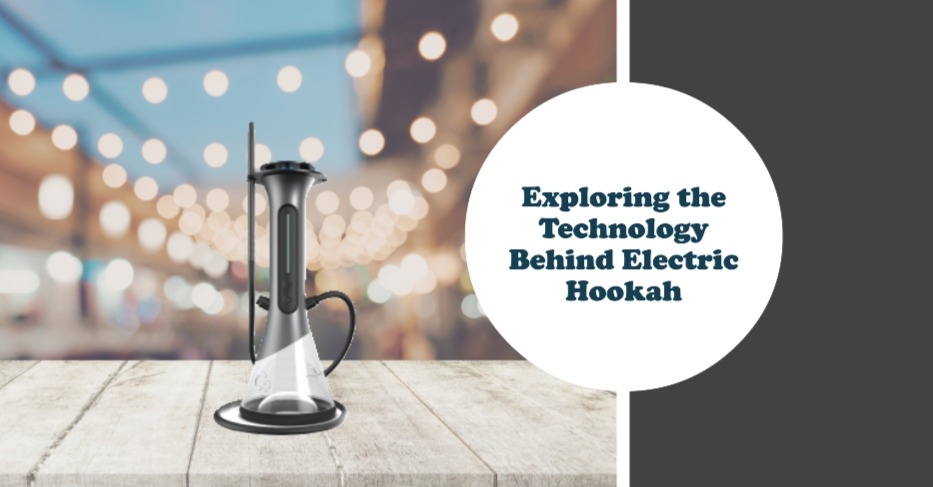
The technology behind electric hookahs showcases advanced heating mechanisms optimized for rich, smooth vapor. Precision digital controls and microcontrollers monitor and adjust performance, providing customizable settings for an enjoyable vaping experience.
Efficient airflow dynamics and responsive sensors guarantee consistent draws, while specialized battery management extends session times. Adhering to safety regulations and responsible disposal practices is vital. Discover the innovative engineering and thoughtful design that elevate the electric hookah experience.
Key Takeaways
- Electric hookahs utilize specialized heating mechanisms and coil designs to efficiently vaporize e-liquids, producing a rich, smooth vapor experience.
- Advanced digital control systems and user interface features enable customizable settings, consistent performance, and an enhanced vaping experience.
- Sensor monitoring and airflow dynamics ensure optimal heating, temperature regulation, and airflow for a satisfying and reliable user experience.
- Battery technology and power management systems are crucial for device performance, longevity, and safety, requiring careful consideration and maintenance.
- Compliance with safety regulations, environmental guidelines, and responsible disposal practices are essential for the safe and sustainable use of electric hookahs.
Heating Mechanisms and Coil Design
The core of an electric hookah functionality lies in its heating mechanisms and coil design. These components work in tandem to vaporize the e-liquid, producing the signature hookah-like clouds.
The heating coil, often made of resistance wire, is meticulously engineered to reach ideal temperatures quickly and efficiently. Tailored coil shapes, such as spiral or mesh configurations, maximize surface area and heat distribution for a consistent, flavorful vapor.
Advanced electric hookahs may even feature adjustable power settings, allowing users to fine-tune the heating intensity to their preferences. The coil’s position within the device is also essential, as it must be precisely aligned to interact with the e-liquid reservoir and airflow system.
Together, these heating and coil design elements form the heart of an electric hookah, delivering the rich, smooth vapor experience users expect. Manufacturers continuously innovate in this space, pushing the boundaries of performance and customization.
Digital Control Systems and Components
Digital control systems are the backbone of modern electric hookahs.
These systems utilize microcontrollers to monitor various sensors, ensuring precise temperature regulation and ideal performance.
Wireless connectivity protocols, like Bluetooth or Wi-Fi, further enhance the user experience by enabling remote control and real-time data monitoring.
Microcontroller Integration
Seamless integration of microcontrollers lies at the heart of modern electric hookah designs. These compact, programmable chips control every aspect of the device’s operation, from regulating power output to monitoring temperature and airflow. By precisely managing the heating element and ensuring ideal vaporization, microcontrollers deliver a consistently smooth and enjoyable smoking experience.
Sophisticated firmware, meticulously coded by engineers, enables the microcontroller to respond dynamically to user inputs and environmental conditions. It adjusts parameters in real-time, ensuring the hookah maintains the desired temperature and vapor production. This level of automation and precision is a far cry from the manual control of traditional charcoal-based hookahs.
The seamless integration of microcontrollers has been a game-changer, elevating the electric hookah experience and making it more reliable, consistent, and user-friendly.
As technology continues to advance, we can expect even more sophisticated microcontroller-driven features to enhance the way we enjoy this timeless pastime.
Sensor Monitoring Systems
Augmenting the microcontroller’s core functionality, sensor monitoring systems play a significant role in the digital control of electric hookahs. These systems leverage an array of sensors to gather real-time data on essential parameters, such as temperature, airflow, and power consumption.
By continuously monitoring these variables, the microcontroller can make precise adjustments to guarantee peak performance, safety, and user experience.
The sensor suite typically includes thermocouples or resistance temperature detectors to measure coil and chamber temperatures, airflow sensors to monitor draw dynamics, and current/voltage sensors to track power delivery.
This data is fed into the microcontroller, which processes the information and enacts control algorithms to regulate heating, airflow, and power accordingly. The result is a seamless, responsive hookah experience that adapts to the user’s preferences and protects against potential hazards.
Sensor monitoring systems are a vital component of electric hookah technology, enabling intelligent, adaptive control that enhances both functionality and safety.
Wireless Connectivity Protocols
Wireless connectivity protocols form the backbone of digital control systems in modern electric hookahs.
You’ll find these protocols enabling seamless communication between the device’s microcontroller and its various components, like the heating element, airflow sensor, and LED lighting. Commonly used protocols include Bluetooth, Wi-Fi, and Zigbee, each offering unique advantages regarding range, power consumption, and data throughput.
Bluetooth, for instance, excels at low-power, short-range connections, making it ideal for mobile app integration and remote control. Wi-Fi, on the other hand, provides higher bandwidth for features like cloud connectivity and over-the-air firmware updates.
Zigbee, a mesh networking protocol, shines in its ability to create robust, self-healing networks across multiple electric hookahs.
Regardless of the specific protocol, these wireless links guarantee precise, responsive control, elevating the user experience and revealing advanced functionality in cutting-edge electric hookah designs.
Battery Technology and Power Sources
When it comes to powering your electric hookah, you’ll want to contemplate the power capacity of your battery. Rechargeable battery types like lithium-ion or nickel-metal hydride can provide the necessary juice. And to get the most out of your battery, be sure to follow best practices for maximizing its life.
Rechargeable Battery Types
A variety of rechargeable battery types are commonly used in electric hookahs. These batteries provide the necessary power to heat the coils and produce the vapor.
The most popular rechargeable battery options include:
- Lithium-ion (Li-ion) batteries: These are the most widely used due to their high energy density, low self-discharge rate, and long lifespan.
- Nickel-metal hydride (NiMH) batteries: Offering a decent capacity and recharge cycles, NiMH batteries are a more affordable alternative to Li-ion.
- Nickel-cadmium (NiCd) batteries: Though older in design, NiCd batteries are known for their durability and ability to withstand high current draws.
- Rechargeable alkaline batteries: While not as common, these batteries provide a budget-friendly option with moderate capacity and recharge capabilities.
The choice of battery ultimately depends on factors like power requirements, runtime, and cost, allowing electric hookah users to select the most suitable option for their needs.
Conclusion
You’ll be blown away by the mind-boggling tech behind electric hookahs. From the blazing hot coils to the slick digital displays, these devices are the ultimate in vaping sophistication. But don’t forget the safety concerns – you wouldn’t want to end up a crispy critter, would ya? So puff responsibly, my friend, and enjoy the cloud-chasing madness.