

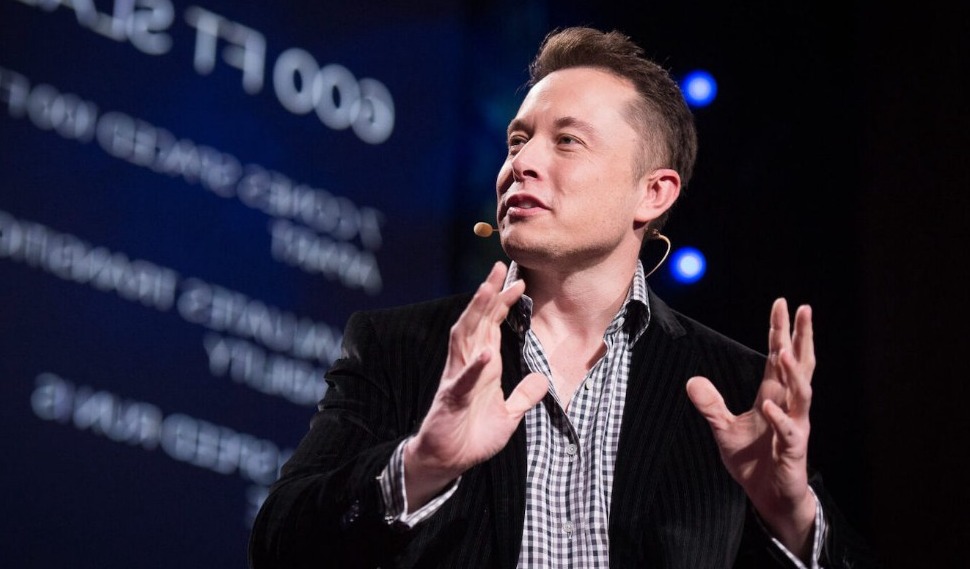
Elon Musk’s incredible path to American citizenship is a testament to his unwavering determination and groundbreaking achievements. From humble beginnings in South Africa, he soared to become a trailblazing entrepreneur in the tech and space industries.
With ventures like SpaceX and Tesla, he has captivated the world with his visionary ideas and relentless pursuit of innovation. Musk’s journey is a testament to the power of dreams and the endless possibilities that await those who dare to dream big.
Early Life and Education
Elon Musk was born in Pretoria, South Africa to a South African father and Canadian mother, showing an early interest in computers and teaching himself programming.
He attended the University of Pretoria in South Africa and later transferred to Queens University in Canada. Although he initially planned to attend Stanford University, Musk decided to pursue a business career instead.
During his time at university, Musk co-founded Zip2, an online software company that was later acquired for $307 million. This early success fueled his entrepreneurial spirit and set the stage for his future ventures.
Musk’s early interest in computers and his education at the University of Pretoria and Queens University laid the foundation for his remarkable journey in the tech and business world.
Showed Interest in Computers at a Young Age
During his early years, Elon Musk developed a keen interest in computers and taught himself programming. This childhood passion for technology would shape his future endeavors and pave the way for his remarkable journey.
Here are four key points that highlight Musk’s early interest in computers:
- Natural Curiosity: Musk displayed an innate curiosity towards computers and technology from a young age. He was fascinated by how they worked and was driven to understand their inner workings.
- Self-Taught Programming: Without any formal training, Musk taught himself programming languages like BASIC and began creating his own games and software. This self-taught approach allowed him to explore his passion and develop crucial skills.
- Exploring Possibilities: Musk’s interest in computers allowed him to imagine the endless possibilities they offered. He saw them as tools that could be harnessed to change the world and solve complex problems.
- Foundation for Entrepreneurship: Musk’s early interest in computers set the foundation for his entrepreneurial ventures. It provided him with the technical knowledge and skills necessary to launch successful companies like Zip2 and later, SpaceX, Tesla, and SolarCity.
Musk’s childhood passion and self-taught programming laid the groundwork for his future achievements and cemented his place as one of the most influential figures in the tech industry.
Attended University of Pretoria and Queens University
Attending the University of Pretoria and later graduating from Queens University, Musk gained a strong educational foundation that would contribute to his future success in the tech industry.
Musk’s time at Queens University in Canada played a significant role in shaping his understanding of business and technology. During his studies, he further honed his skills in computer science and entrepreneurship. The education he received at Queens University equipped him with the necessary knowledge and skills to navigate the complex world of technology and innovation.
Prior to his time at Queens University, Musk attended the University of Pretoria in South Africa. This early educational experience exposed him to a diverse range of subjects and fostered his passion for learning, setting the stage for his future accomplishments.
Co-Founded Online Software Company Zip2
Co-founding the online software company Zip2, Musk played a pivotal role in the development and success of the company. Zip2 made a significant impact on the online software industry, revolutionizing the way businesses interacted with their customers. Through Zip2, Musk learned valuable lessons about entrepreneurship and business management.
Here are four key takeaways from his experience co-founding Zip2:
- Importance of innovation: Zip2’s success stemmed from its innovative approach to providing online software solutions. Musk realized the importance of constantly pushing the boundaries and staying ahead of the competition.
- Adaptability to market needs: Zip2’s ability to adapt its software to meet the evolving needs of businesses showcased the importance of being flexible and responsive to customer demands.
- Teamwork and collaboration: Musk learned the value of building a strong team and fostering collaboration among employees. Zip2’s success was a result of the collective efforts of its dedicated workforce.
- Vision and long-term goals: Musk’s experience with Zip2 taught him the importance of having a clear vision and setting long-term goals. This helped him shape the direction of the company and lay the foundation for his future ventures.
Attended Waterkloof House Preparatory School and Pretoria Boys High School
Waterkloof House Preparatory School and Pretoria Boys High School provided the educational foundation for Musk’s future endeavors. It was during his time at these schools in Pretoria, South Africa, that Elon Musk’s early interest in computers began to blossom.
Showing a natural aptitude for technology, Musk taught himself programming at a young age. This passion for computers would later play a pivotal role in his entrepreneurial ventures.
After completing his education in South Africa, Musk went on to attend the University of Pretoria before transferring to Queens University in Canada. Although initially planning to attend Stanford University, Musk decided to pursue a career in business instead.
This decision ultimately led him to co-found online software company Zip2, marking the beginning of his extraordinary journey in the tech industry.
Enrolled at Queen’s University in Canada
During his time at Queen’s University in Canada, Elon Musk pursued his studies in business and technology, setting the stage for his future entrepreneurial ventures.
- Queen’s University enrollment: Musk enrolled at Queen’s University, a prestigious institution known for its strong programs in business and technology.
- Canadian education: Musk experienced the Canadian education system firsthand, immersing himself in the country’s academic environment and culture.
- Academic pursuits: Musk dedicated himself to his studies at Queen’s University, focusing on business and technology courses that would later shape his career.
- Networking opportunities: Being enrolled at Queen’s University provided Musk with valuable networking opportunities, allowing him to connect with like-minded individuals and potential business partners.
Musk’s time at Queen’s University laid the foundation for his future successes in the business and technology sectors. It was during this period that he began honing his skills and knowledge, ultimately paving the way for his remarkable journey as an entrepreneur.
Entrepreneurial Ventures
After his success with Zip2 and PayPal, Elon Musk ventured into two groundbreaking industries: space exploration and electric vehicles. In 2002, he founded SpaceX with the goal of making space transportation more affordable. SpaceX developed the Falcon rockets, which not only reduced costs but also became the first privately-funded company to launch a spacecraft into orbit. Musk’s ultimate ambition with SpaceX is to colonize Mars.
In 2008, Musk became the chairman and CEO of Tesla, a company that aimed to revolutionize the automotive industry with electric cars. Tesla’s Roadster, the first fully electric sports car, gained attention for its impressive performance. The company’s Model S became the best-selling electric car worldwide in 2015, solidifying Tesla’s role in the electric car revolution. Furthermore, Tesla’s Gigafactory in Nevada became the largest building by footprint in the world.
To emphasize the impact of SpaceX and Tesla, a table is provided below:
| SpaceX’s Impact on the Space Industry | Tesla’s Role in the Electric Car Revolution |
|---|---|
| Reduced space transportation costs | Revolutionized the automotive industry |
| First privately-funded company to launch a spacecraft into orbit | Best-selling electric car worldwide in 2015 |
| Aimed to colonize Mars | Impressive performance of the Roadster |
| Developed Falcon rockets | Gigafactory in Nevada is the largest building by footprint in the world |
Co-Founded Zip2 and Sold It for $307 Million
Born in Pretoria, South Africa, Elon Musk co-founded Zip2, an online software company, which was later acquired for $307 million. Musk’s business success continued to grow as he sold Zip2 and moved on to his next venture. Here are four key points about his journey with Zip2:
- Co-founding Zip2: Musk played a pivotal role in the creation of Zip2, an innovative online software company that focused on providing business directories and maps for newspapers. This groundbreaking platform laid the groundwork for his future entrepreneurial endeavors.
- Selling Zip2: Recognizing its potential, Musk made the astute decision to sell Zip2 to Compaq for a staggering $307 million. This marked a significant milestone in his career, solidifying his reputation as a shrewd businessman.
- Financial success: The sale of Zip2 not only brought financial prosperity to Musk but also opened doors for him to take on even more ambitious projects. It showcased his ability to identify lucrative opportunities and capitalize on them.
- Stepping stone to future achievements: The sale of Zip2 served as a stepping stone for Musk’s future achievements, setting the stage for his subsequent ventures such as X.com (which later became PayPal), SpaceX, Tesla, and SolarCity. It laid the foundation for his remarkable journey as one of the world’s most influential entrepreneurs.
Founded X.Com, Later Became Paypal and Sold It for $1.5 Billion
After the success of selling Zip2, Elon Musk was eager to explore new entrepreneurial ventures. In 1999, he founded X.com, an online payment company. With a vision to revolutionize the way people conducted financial transactions, Musk poured his passion and expertise into the company.
Under his leadership, X.com quickly gained traction and became a pioneer in the online payment industry. In 2000, X.com merged with Confinity, the creators of a popular money transfer service called PayPal. Recognizing the potential of this partnership, Musk decided to focus solely on PayPal and rebranded the company with that name.
His decision paid off immensely. In 2002, eBay acquired PayPal for a staggering $1.5 billion, solidifying Musk’s financial success and establishing him as a prominent figure in the tech industry.
SpaceX and the Space Industry
SpaceX, the aerospace manufacturer and space transportation company founded by Elon Musk in 2002, aims to reduce space transportation costs and ultimately colonize Mars. Its impact on the commercial space industry and the future of space exploration and colonization is significant.
- Reusable Rockets: SpaceX has developed the Falcon 1, Falcon 9, and Falcon Heavy rockets, all of which are designed to be reusable. This breakthrough technology has drastically reduced the cost of space travel and made it more accessible for both commercial and scientific purposes.
- Private Space Missions: SpaceX became the first privately-funded company to launch a spacecraft into orbit. This achievement has opened up new possibilities for private companies to participate in space exploration and has sparked a new era of collaboration between public and private entities.
- Commercial Satellite Deployment: SpaceX has revolutionized the satellite industry by offering affordable and efficient satellite deployment services. With their Falcon rockets, they can launch multiple satellites into space simultaneously, providing companies with cost-effective solutions for satellite communication and observation.
- Mars Colonization: Perhaps the most ambitious goal of SpaceX is to colonize Mars. Elon Musk envisions a future where humans can become a multi-planetary species, and SpaceX is actively working on developing the technologies and infrastructure necessary to make this vision a reality. By pushing the boundaries of space exploration, SpaceX is shaping the future of humanity’s presence in the universe.
Founded SpaceX in 2002
In 2002, Elon Musk established SpaceX, an aerospace manufacturer and space transportation company, with the goal of reducing space transportation costs and ultimately colonizing Mars. SpaceX has had a significant impact on the space industry, revolutionizing the way rockets are developed and launched. They have developed the Falcon 1, Falcon 9, and Falcon Heavy rockets, with the Falcon 9 being the first privately-funded rocket to launch a spacecraft into orbit. This achievement marked a major milestone in the history of space exploration. However, developing and launching rockets is not without its challenges. SpaceX has faced numerous setbacks, including failed launches and rocket explosions. Despite these challenges, SpaceX remains determined to continue pushing the boundaries of space exploration and has ambitious plans for the future, including developing reusable rockets and sending humans to Mars. Through their innovative approach, SpaceX is shaping the future of space travel and inspiring the next generation of explorers.
| SpaceX’s Impact on the Space Industry | Challenges Faced by SpaceX |
|---|---|
| Revolutionized rocket development and launch | Failed launches and rocket explosions |
| First privately-funded company to launch a spacecraft into orbit | Technical and engineering hurdles |
| Ambitious plans to colonize Mars | Cost constraints and competition |
| Inspiring the next generation of space explorers | Regulatory and safety requirements |
Developed Falcon 1, Falcon 9, and Falcon Heavy Rockets
The development of the Falcon 1, Falcon 9, and Falcon Heavy rockets has been a major achievement for SpaceX, revolutionizing the field of rocket technology. Here are four key advancements and innovations that have made SpaceX’s impact on the space industry significant:
- Reusability: SpaceX pioneered the concept of reusable rockets, successfully landing and reusing the first stages of the Falcon 9 and Falcon Heavy rockets. This breakthrough has drastically reduced the cost of space launches.
- Payload Capacity: The Falcon Heavy rocket, with its ability to lift over 64 metric tons to low Earth orbit, has become the most powerful operational rocket in the world. This increased payload capacity opens up new possibilities for space exploration and satellite deployment.
- Starship: SpaceX’s future plans include the development and utilization of the Starship, a fully reusable spacecraft designed for interplanetary travel. This ambitious project aims to enable human colonization of Mars and other destinations in the solar system.
- Satellite Constellations: SpaceX’s Starlink project aims to build a mega-constellation of thousands of small satellites to provide global broadband internet coverage. This initiative has the potential to bridge the digital divide and revolutionize communication worldwide.
Through these advancements and future plans, SpaceX continues to push the boundaries of space exploration and inspire a new era of technological innovation.
Became First Privately-Funded Company to Launch a Spacecraft Into Orbit
With the successful launch and orbit of a spacecraft, SpaceX made history as the first privately-funded company to achieve this feat.
Elon Musk’s company, SpaceX, has been at the forefront of the private space industry, revolutionizing the way we think about launching spacecraft. Through innovative technology and groundbreaking advancements, Musk and his team have developed the Falcon 1, Falcon 9, and Falcon Heavy rockets, which have propelled SpaceX to new heights.
By successfully launching a spacecraft into orbit, SpaceX hasn’t only demonstrated its capabilities but also paved the way for future advancements in the private space industry. This achievement marks a significant milestone in the history of space exploration and solidifies SpaceX’s position as a leader in the field.
As Musk continues to push the boundaries of what’s possible, the dream of colonizing Mars is becoming closer to reality.
Tesla and the Electric Car Revolution
Tesla’s Model S became a game-changer in the electric car industry, achieving the status of the best-selling electric car worldwide in 2015. This success marked Tesla’s impact on the auto industry and solidified their position as a leader in electric vehicles. With their innovative technology and sleek design, Tesla cars have paved the way for the future of electric vehicles.
Here are four key points to paint a picture of Tesla’s impact and the future of electric cars:
1) Disruption of the market: Tesla’s Model S disrupted the traditional auto industry by offering an electric car with impressive range and performance, challenging the dominance of gasoline-powered vehicles.
2) Charging infrastructure: Tesla’s Supercharger network, which allows for fast charging, has addressed one of the major concerns of electric vehicle owners, making long-distance travel more feasible.
3) Increased adoption: Tesla’s success has inspired other automakers to invest in electric vehicles, leading to a rapid increase in the availability and variety of electric car options for consumers.
4) Environmental benefits: Electric vehicles produce zero tailpipe emissions, contributing to the reduction of greenhouse gas emissions and combating climate change. As the world moves towards a more sustainable future, electric vehicles will play a crucial role in reducing our dependence on fossil fuels.
Frequently Asked Questions
How Did Elon Musk Become Interested in Computers at a Young Age?
Elon Musk became interested in computers at a young age and taught himself programming. This passion led him to co-found Zip2, an online software company, and later start X.com, which became PayPal.
Why Did Elon Musk Decide to Attend the University of Pretoria and Later Transfer to Queens University?
Elon Musk decided to attend the University of Pretoria in South Africa, but later transferred to Queen’s University in Canada to pursue a business career.
What Led Elon Musk to Co-Found Zip2 and Eventually Sell It for $307 Million?
Elon Musk’s entrepreneurial mindset and the challenges he faced led him to co-found Zip2. The online software company gained success and was eventually sold for $307 million, marking a significant milestone in Musk’s career.
How Did Elon Musk’s Experience With X.Com Lead to the Creation of Paypal?
Elon Musk’s entrepreneurial mindset led him to co-found X.com, an online payment company. X.com eventually became PayPal, revolutionizing online payments. Musk played a pivotal role in the creation and success of PayPal.
What Is the Significance of Spacex Becoming the First Privately-Funded Company to Launch a Spacecraft Into Orbit?
SpaceX’s achievement of becoming the first privately-funded company to launch a spacecraft into orbit was groundbreaking. It symbolized a new era in space exploration and had a significant economic impact, fostering the growth of the commercial space industry.
Conclusion
Elon Musk’s journey to American citizenship can be likened to a rocket launching into the vast expanse of space. With determination as his fuel and innovation as his propulsion, Musk has soared to incredible heights, revolutionizing industries and inspiring generations.
Like a rocket breaking through the Earth’s atmosphere, Musk’s unwavering commitment to pushing boundaries has propelled him to unimaginable success. His vision for a sustainable future and his dedication to making it a reality have cemented his place as a true pioneer in the realm of technology and renewable energy.