

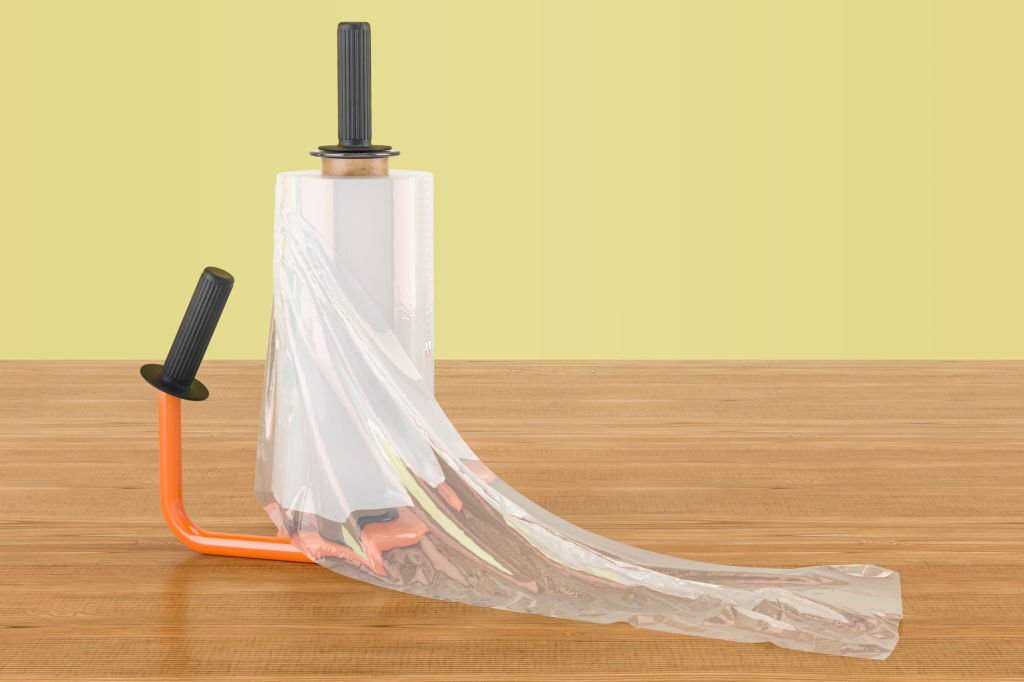
While choosing the right pallet stretch film for your warehouse, you should consider the weight of the load you will be shipping. Light loads typically weigh around 1,000 pounds, while medium to heavy loads weigh around 2,000 pounds.
To make the best decision, consider your warehouse’s throughput, wrap stations, and workers who support operations. Additionally, consider what you are shipping. Remember, you need to get the right force to transport the pallets.
Pre-Stretch Film is Less Expensive
When buying pallet stretch wrap, you may be tempted to use conventional wraps for packaging your products.
However, these products do not have the same durability as pre-stretch film. These film products are thinner and require less pull to achieve the required torque. Furthermore, they increase the stability of loads during transport. Additionally, they have a higher holding force than conventional wraps, which allows them to withstand several loading and unloading situations without losing the holding force.
Before choosing the type of pallet stretch film you need, you should consider the weight of the load being shipped. Light loads weigh less than a thousand pounds, while medium and heavy loads weigh over 2,000 pounds.
Consider your wrapping stations, throughput, workers supporting your operations, and the weight of your products. Depending on your needs, the pre-stretch film can be a cheaper alternative when purchasing pallet stretch film.
It Takes Less Time to Wrap
While the use of stretch wrap film is increasingly popular, the process is not without challenges. Traditional stretch wrap must be stretched before application, which increases employee risk of injury and fatigue.
In addition, it adds a significant amount of downtime. A more efficient method of wrapping pallets is to use Pallet Stretch Film. This process takes less than five minutes. Here are some tips for wrapping pallets with stretch film.
The first step to pallet wrapping is identifying the type of product you’re shipping. Pallet stretch film can help with this by making it easier to identify the products on a pallet. Using colored film also simplifies the identification process.
You can also order custom-size, the gauge-specific film that makes it easier to wrap pallets. If you’re interested in pallet stretch film, contact a MUST Film Lab.
It has more Stretch Memory than Cast Stretch Film
The main difference between blown and cast stretch film is the type of cling they have. The blown film offers more stretch memory and has a higher yield point than cast film.
Cast stretch film is easier to apply and has better tear resistance, but it does not have the same holding power and tear resistance. It is also less dense and does not have the same stretch memory as blown film.
The film has a tendency to be narrower when stretched than when it is cast. This narrowing effect is known as neck down and reduces coverage.
Consequently, pallet stretch film requires more revolutions to wrap a pallet. Additionally, it has a larger distance between the rollers, resulting in greater neckdown. This feature makes it essential for packaging companies to choose a film with high stretch memory.
How Does the Use of Pallet Stretch Film Impact Pharmacy Dispensing Operations?
The dscsa’s impact on pharmacy dispensing can be seen through the use of pallet stretch film. This specialized film plays a crucial role in protecting pharmaceutical products during transportation and storage.
By securely wrapping the pallets, it prevents damage, tampering, and contamination. Consequently, it ensures the integrity and safety of medications, reducing the risk of errors in pharmacy dispensing operations.
It is easier to Thread
To wrap a pallet, start by wrapping a few feet of stretch film around the base of the pallet. Then, make two or more revolutions around the pallet and overlap at least half of the pallet wrap as it moves upward.
If you use an automatic pallet wrapper, you can choose the exact overlap coverage you need. You can also adjust the tension of the wrap, which controls how tightly the load is compressed. Light tension is recommended for light products, while higher tension is required for heavy loads.
To ensure the best coverage, stretch wrappers should be checked regularly for containment force. It is important to understand that stretch film has limits, and these limits are only guidelines. Technical stretch wrap data can be found online.
If you’re not sure whether your stretch film is working properly, read our gauge conversion chart and technical stretch wrap data. It will give you an idea of how well the film is performing on your pallets.