
ADA Compliance for Handicap Doors in Chicago: What You Need to Know
ADA Compliance for Handicap Doors in Chicago

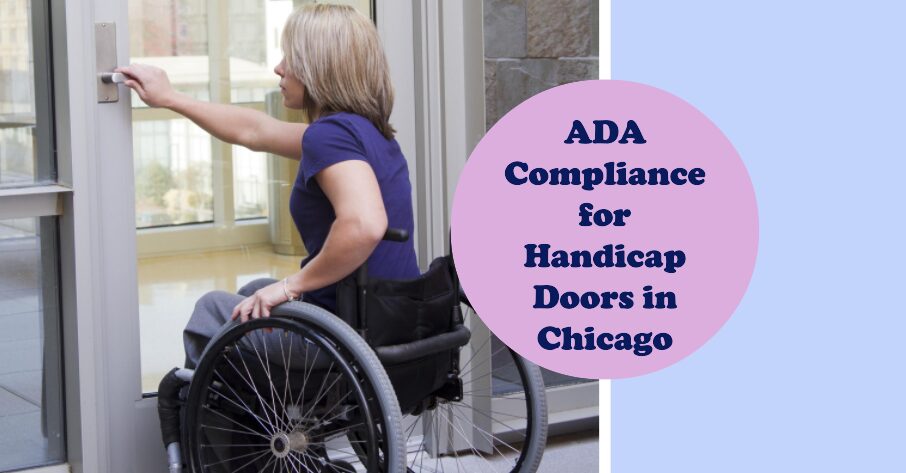
When it comes to ADA compliance for handicap doors in Chicago, unlocking the door to accessibility is more than just a physical act. It’s about ensuring equal opportunities for everyone. Understanding the requirements and regulations is vital.
From knowing the types of doors to installation considerations, there’s a lot to consider. Maintenance and avoiding common pitfalls are key.
Ensuring accessibility in your building is a responsibility that should be taken seriously. So, let’s delve into what you need to know to make sure your handicap doors meet ADA standards in Chicago.
Key Takeaways
- Businesses in Chicago have a legal obligation to ensure ADA compliance for handicap doors.
- ADA compliance not only promotes social inclusion but also enhances the overall customer experience.
- Complying with ADA requirements can increase market reach and improve customer satisfaction.
- Familiarizing oneself with local regulations in Chicago for handicap doors is crucial to avoid penalties and create an inclusive environment.
Importance of ADA Compliance
You need to understand the importance of ADA handicap door Chicago. Legal obligations require businesses to ensure that their facilities, including doors, are accessible to individuals with disabilities. By meeting these requirements, you contribute to social inclusion by providing equal access to all members of the community.
Design challenges may arise, but the accessibility benefits far outweigh the initial hurdles. Not only does ADA compliance enhance the overall customer experience, but it also has a positive business impact. By catering to a wider customer base, you can increase your market reach and improve customer satisfaction.
Therefore, it’s crucial to recognize the significance of ADA compliance for handicap doors in Chicago, as it not only fulfills legal obligations but also fosters social inclusion and brings about positive business outcomes.
Understanding ADA Requirements
To ensure ADA compliance for handicap doors in Chicago, businesses must adhere to specific accessibility requirements mandated by law.
Design standards, building codes, and accessibility guidelines are essential components of these requirements. The ADA provides regulatory requirements for businesses to follow, ensuring that individuals with disabilities have equal access to facilities.
Design standards encompass factors such as door width, clearance space, and hardware accessibility. Building codes outline the construction specifications for accessible entrances, including the installation of automatic door openers and proper signage.
Accessibility guidelines offer detailed instructions on creating an inclusive environment, addressing features like ramp inclines and tactile indicators.
Local Regulations in Chicago
Businesses in Chicago must comply with specific local regulations regarding handicap doors to ensure accessibility for individuals with disabilities. The city has stringent building codes that dictate the installation and operation of handicap doors. These codes align with accessibility standards outlined in local ordinances and regulatory guidelines.
When it comes to handicap doors, Chicago enforces compliance requirements to guarantee that businesses provide equal access to their premises for everyone. Business owners need to familiarize themselves with these local regulations to avoid penalties and to create an inclusive environment.
Non-compliance can result in fines and legal consequences, so staying up to date with the local ordinances and building codes is crucial for ensuring that handicap doors meet the necessary standards in Chicago.
Types of Handicap Doors
When selecting handicap doors, consider the various types available to ensure compliance with accessibility standards in Chicago. The following are the types of handicap doors commonly used:
- Automatic doors
- These doors open and close automatically, usually using motion sensors or push buttons, providing easy access for individuals with disabilities.
- Manual doors
- Equipped with lever handles or push/pull bars, these doors are manually operated and can be made accessible by adding features such as low resistance hinges.
- Sliding doors
- These doors slide open horizontally, requiring minimal effort to operate and providing a wide opening for wheelchair users.
- Swing doors
- Swing doors open either inward or outward and can be modified with low-energy operators for easy access.
Each type has its own advantages and can be chosen based on the specific needs of the building and its occupants.
Installation Considerations
Consider the space available and the layout of your building when planning the installation of handicap doors to ensure seamless accessibility for all individuals. Several factors need to be taken into account to ensure the proper installation of ADA compliant handicap doors. The table below outlines important installation considerations to keep in mind:
| Consideration | Description |
|---|---|
| Door dimensions | Ensure that the door meets ADA requirements for width and clearance. |
| Power requirements | Determine the power source needed for automatic door operation. |
| Clearance space | Allow for sufficient space for wheelchair users to maneuver. |
When installing handicap doors, it’s essential to ensure they meet ADA standards for automatic operation and incorporate safety features to provide a barrier-free environment for individuals with disabilities.
Maintenance and Upkeep
To ensure compliance with ADA standards, you should regularly maintain and upkeep the automatic operation and safety features of handicap doors in Chicago. This involves conducting routine inspections to check for any malfunctions or wear and tear.
Additionally, it’s crucial to adhere to repair guidelines provided by the manufacturer to address any issues promptly. Familiarize yourself with emergency procedures in case of power outages or other unforeseen events that may affect the functionality of the doors.
As part of your upkeep responsibilities, make sure to keep the area around the doors clear and accessible.
Lastly, consider long-term maintenance by scheduling regular servicing and addressing any minor problems before they escalate. By staying proactive, you can ensure that handicap doors remain fully functional and compliant with ADA regulations.
Common Compliance Pitfalls
Regularly inspecting and promptly addressing malfunctions or wear and tear is crucial to avoiding common compliance pitfalls with handicap doors in Chicago. Failure to do so can lead to accessibility challenges for individuals with disabilities, potential legal liabilities for non-compliance, and safety concerns for all users.
Design limitations may also pose issues, as certain door types may not meet ADA requirements, resulting in costly retrofitting or replacements. Ignoring maintenance can have cost implications, as it may lead to more frequent repairs or premature door failure.
It’s essential to prioritize the upkeep of handicap doors to ensure they remain compliant, accessible, and safe for everyone. By addressing maintenance promptly, you can prevent these common compliance pitfalls and ensure a smooth experience for all users.
Ensuring Accessibility in Your Building
Are you consistently ensuring that handicap doors in your building are accessible and compliant with ADA requirements? Creating an inclusive environment means prioritizing universal access through accessible design and building modifications.
Here’s how to ensure accessibility in your building:
- Accessible Design: Incorporate features such as lever-style door handles and automatic door openers to make entryways more accessible.
- Building Modifications: Ensure that ramps, elevators, and designated parking spaces are available to accommodate individuals with mobility impairments.
- Inclusive Environment: Implement clear signage, wide corridors, and non-slip flooring to create a welcoming and safe environment for all individuals.
- Barrier-Free Entrances: Remove physical barriers such as steps and narrow doorways to provide seamless access for everyone.
Frequently Asked Questions
Are There Any Financial Incentives or Resources Available to Help Cover the Cost of Installing Handicap Doors for ADA Compliance in Chicago?
There are funding options, grant programs, financial assistance, rebate opportunities, and resource organizations available to help cover the cost of installing handicap doors for ADA compliance in Chicago. You can explore these to ease the financial burden.
What Are the Potential Consequences for Not Complying With ADA Requirements for Handicap Doors in Chicago?
Neglecting ADA requirements for handicap doors in Chicago can lead to legal repercussions, enforcement actions, financial penalties, civil lawsuits, and a negative public relations impact. Non-compliance could result in serious consequences for your business.
Are There Any Specific Design Guidelines or Recommendations for Choosing the Most Suitable Handicap Doors for Different Types of Buildings in Chicago?
When choosing handicap doors for different building types in Chicago, consider door design, accessibility guidelines, and maintenance practices. Seek installation assistance to ensure compliance and functionality. Prioritize accessibility for all individuals.
How Can Building Owners or Managers Ensure That Their Existing Handicap Doors Are Consistently Maintained and Kept in Compliance With ADA Regulations in Chicago?
To ensure your existing handicap doors consistently follow ADA regulations in Chicago, prioritize regular maintenance and compliance checks. Implement training programs, conduct accessibility audits, and gather customer feedback to maintain high standards.
Are There Any Additional Considerations or Best Practices for Ensuring Accessibility Beyond Just Installing Handicap Doors in Chicago?
When ensuring accessibility beyond installing handicap doors in Chicago, consider additional considerations and best practices. Follow maintenance guidelines, design recommendations, and financial assistance. Non-compliance has consequences, so building owners must fulfill their responsibilities for door maintenance.
Conclusion
In conclusion, ensuring ADA compliance for handicap doors in Chicago is crucial for creating an accessible and inclusive environment.
By understanding the requirements, local regulations, and installation considerations, you can ensure that your building is welcoming to everyone.
Remember to prioritize maintenance and avoid common compliance pitfalls to guarantee accessibility for all.
Let’s work together to make our buildings more inclusive and welcoming for everyone.