

Work boots are an essential piece of protective gear for many professions. However, traditional heavy-duty work boots can cause fatigue and reduce mobility due to their weight.
That’s why lightweight work boots have become a popular choice for those who want the safety and support of work boots without the added weight.
This buying guide will provide an in-depth look at lightweight work boots, the key factors to consider when choosing a pair, and tips for testing, breaking in, and maintaining your boots.
We’ll also recommend some top lightweight work boot options to help you select the right pair for your needs and workplace. Lets discuss the types of these lightweight work boots.
Types of Lightweight Work Boots
Lightweight work boots are becoming increasingly popular in many occupations that require protective footwear. Compared to traditional heavy-duty work boots, lightweight options offer greater comfort and mobility without sacrificing key safety features.
Workers who spend long hours on their feet, such as in construction, manufacturing, and warehousing, can especially benefit from the reduced fatigue of wearing lighter boots.
Materials
Work boots use a variety of materials in their construction. The materials impact the weight, breathability, durability, and protective qualities of the boots.
Leathers
Leather is the most common material used to make lightweight work boot uppers. Full grain leather is naturally water-resistant and durable, while still being fairly breathable. Popular leathers for lightweight boots include:
- Nubuck leather – Top grain leather buffed for a velvety nap and supple feel
- Pull-up leather – Waxy leather that lightens when flexed for a distressed look
- Split-grain leather – Inner layer of hide that’s more affordable but less durable
Synthetics
Synthetic materials provide a lighter alternative to leather:
- Nylon – Very lightweight and breathable but less durable
- Mesh fabric – Extremely breathable panels promote air circulation
- Suede – Softer and more pliable than full grain leather
Waterproof Membranes
Membranes like Gore-Tex are often combined with leathers or synthetics to create waterproof yet breathable uppers.
Rubber & PVC
Molded rubber and PVC boots are 100% waterproof but can cause sweaty feet. Best for extreme wet conditions.
Fabrics
Fabric panels add breathability and ventilation to boot uppers:
- Mesh fabric – Extremely breathable and lightweight. Promotes air circulation.
- Nylon – Durable, abrasion-resistant, and lightweight. Used in hiking boots.
- Kevlar – Cut-resistant fabric that is lightweight and durable. Often used in tactical boots.
Outsoles
Outsoles need to be oil and slip-resistant as well as lightweight:
- Rubber – Provides the best traction. Can be heavy but lightweight rubber compounds are available.
- TPU (thermoplastic polyurethane) – More lightweight than rubber but with less grip.
- EVA (ethyl vinyl acetate) – Very lightweight but not very durable or slip-resistant.
Toe Types
Toe caps protect against impact and compression. Steel toes are the most durable but add weight. Aluminum and composite toes are lighter options still offering protection. Soft toe boots prioritize lightweight flexibility. Analyze your workplace hazards to choose the right toe type.
Analyze the hazards in your workplace to determine the right toe type for your needs.
The Options are:
- Steel toe
- Aluminum toe
- Composite toe
- Soft toe
- Pros and cons of each type
Common lightweight work boot toe types include Steel toe boots have a rigid steel cap that provides the most durable protection but adds weight.
Steel Toe vs Composite Toe for Lightweight Boots
Two main options exist for protective toe caps on lightweight work boots:
Steel Toe
- Most widely used safety toe material
- Provides highest level of impact/compression protection
- Durable but heavy – adds approx. 0.5 lbs per boot
- Can conduct heat/cold due to metal material
Composite Toe
- Made of materials like Kevlar, carbon fiber, plastic, or fiberglass
- Lighter than steel – approx. 0.25 lbs per boot
- Provides good protection but less than steel toe
- Won’t conduct heat or cold
- More expensive than steel toe
If your work involves heavy objects that could crush your feet, go with steel toe boots. But for lighter tasks, composite toe provides ample protection while keeping boots light.
Features
Look for features like waterproofing, insulation, electrical hazard protection, slip resistance, metatarsal guards, and puncture resistance based on your work environment. Safety regulations may dictate required features.
- Waterproofing
- Insulation
- Electrical hazard protection
- Slip resistance
- Metatarsal guards
- Puncture resistance
Lightweight Work Boot Styles
When it comes to work boots, having a lightweight option can make all the difference in comfort and fatigue levels over long shifts.
The best lightweight work boots prioritize comfort features like cushioned insoles, shock absorption, and flexible materials that move with your foot. At the same time, they remain durable and protective, with sturdy leather or synthetic uppers and safety toes made of composite materials rather than heavy steel.
Traction and slip resistance are key for safety on the job. While lightweight work boots may come at a slightly higher price point due to advanced materials and construction methods, the long-term benefits for your feet are well worth the investment.
Choosing footwear designed for breathability, support, and all-day wear will help you power through the workday with less pain and fatigue.
Lightweight work boots come in a variety of styles to suit different on-the-job needs:
6″ Lace-Up Boots
The most common lightweight work boot style with laces for a secure fit and a 6″ height to support the ankles.
8″ Lace-Up Boots
Provide extra ankle stability and support on uneven terrain. Ideal for construction, outdoors, and industrial work.
Wellington & Pull-On Boots
Convenient slip-on Chelsea-style boots with elastic goring for a snug, customizable fit. Quick on/off is ideal for farms, stables, and livestock handling.
Mid Cut Boots
Stop 3-6 inches above the ankle providing moderate ankle support. Good for jobs requiring more mobility.
Work Shoes
More lightweight and flexible than boots with lower cut height. Best for indoor jobs that don’t require ankle support.
Factors to Consider When Choosing Lightweight Work Boots
When selecting lightweight work boots, one of the most important considerations is analyzing the hazards and conditions of your unique work environment.
The boots you choose need to provide adequate safety features and protection based on potential risks like falling objects, slippery surfaces, or electrical hazards. You’ll also want to evaluate the materials and construction in relation to durability and breathability needs for your industry.
Proper sizing and a comfortable, ergonomic fit are essential for all-day wear, so try on multiple sizes and widths when purchasing. Also examine cushioning, support, and shock absorption to prevent fatigue.
The ideal lightweight work boots will meet all safety regulations while remaining comfortable and breathable enough for extended wear. Let your specific job duties and work conditions guide you toward the best pair.
Your Profession and Workplace
The conditions of your work environment and the safety hazards involved should inform your choice of lightweight work boots.
- Hazards present
- Safety regulations
- Terrain and conditions
Consider the terrain, weather, potential falling objects, and any chemical or electrical hazards. Your industry’s safety regulations will dictate requirements like toe caps, electrical insulation, and slip resistance. Let your specific job duties and workplace guide your boot selection.
Fit and Sizing
An accurate fit is crucial for comfort and safety. Try on multiple sizes and widths to determine your ideal fit, as work boot sizing can vary between brands.
Here is a continuation of the detailed buying guide outline with introductory paragraphs:
- Trying on different widths and sizes
- Having feet properly measured
Have your feet professionally measured and buy boots that align with those measurements. Make sure to try on boots with the socks you’ll wear at work. Getting the right size and width is key to maximizing the benefits of your lightweight work boots.
Comfort and Support
Look for cushioning, arch support, shock absorption, and removable insoles. Make sure lightweight boots still provide enough stability and support for long wear.
Cushioning and support prevent fatigue.
- Cushioning and shock absorption
- Arch support
- Removable insoles
Safety Toe Caps
The first thing to consider is whether you need protective toe caps. Steel toe and composite toe caps protect the feet from falling objects, compression injuries, and impact.
- Steel toe – Most durable and protective, but heavier. Can conduct heat/cold.
- Composite toe – Made from materials like carbon fiber, plastic, Kevlar. Lighter but less durable than steel.
If your work doesn’t require safety toe protection, lightweight soft toe boots are an option.
Slip-Resistant Soles
Slip-resistant soles provide essential traction on slippery or uneven surfaces. Look for deep lugs, an aggressive tread pattern, and/or a soft sticky rubber outsole material.
Waterproof Materials
Waterproof leather or membrane construction keeps feet dry. Important for any outdoor work or wet conditions.
Supportive Footbeds
Cushioned, shock-absorbing footbeds prevent foot fatigue. Removable insoles allow you to insert your own orthotics.
Flexible Uppers
Leather or fabric uppers with panels or stitching allow more flexibility and comfort without compromising durability.
Proper Fit
A snug yet comfortable fit prevents slippage and blisters. Consider sizing up to accommodate an insert.
Testing and Breaking In Your Boots
Getting used to new work boots and making sure they are properly broken in before wearing them for long work days is important for comfort and avoiding injuries.
After purchasing new lightweight work boots, wear them around the house and pay attention to any discomfort or tightness. Use a boot stretcher and silicone sprays to stretch and soften up tight areas.
- Wearing them around the house
- Checking for any discomfort points
- Using a boot stretcher if needed
- Applying protectants/weatherproofing
Break the boots in gradually, wearing them for short periods at first and slowly increasing wear time. Apply weatherproofing sprays or creams to protect the materials and make them more water resistant.
Taking the time to properly test and break-in lightweight work boots will maximize their comfort and longevity.
Top Lightweight Work Boot Recommendations
When researching the best lightweight work boots, focus on brands known for their safety, durability, and comfort.
Here are some top-rated options to consider:
Budget Friendly Lightweight Work Boots
FREE SOLDIER Waterproof Work Boots
Men’s Tactical Word Boot and Hiking Boots 6 Inches Lightweight

You will find the FREE SOLDIER Waterproof Hiking Work Boots to be a top choice for lightweight work boots due to their durable construction and comfortable design. These boots are made of suede leather and 1000D Cordura fabric, making them both durable and scratch-resistant.
The lightweight and flexible EVA midsole, along with the all-terrain outsole, provide great grip and support. Additionally, the strengthened toe cap and heel offer protection, while the vented holes and breathable lining ensure comfort. The tactical design with urban casual fashion style makes them suitable for various outdoor activities and daily wear.
However, some users have reported sizing issues and previous wear on the boots. Overall, these boots offer good value for the money and are well-regarded for their comfort and durability.
Product Specs:
- Made of suede leather and 1000D Cordura fabric
- Lightweight and flexible EVA midsole
- Strengthened toe cap and heel for protection
- Vented holes and breathable lining
- Tactical design with urban casual fashion style
Pros:
- Durable and scratch-resistant
- Lightweight and comfortable
- Suitable for various outdoor activities
Cons:
- Sizing issues
- Some reports of previous wear on the boots
Skechers Men’s Holdredge Rebem Work Boot
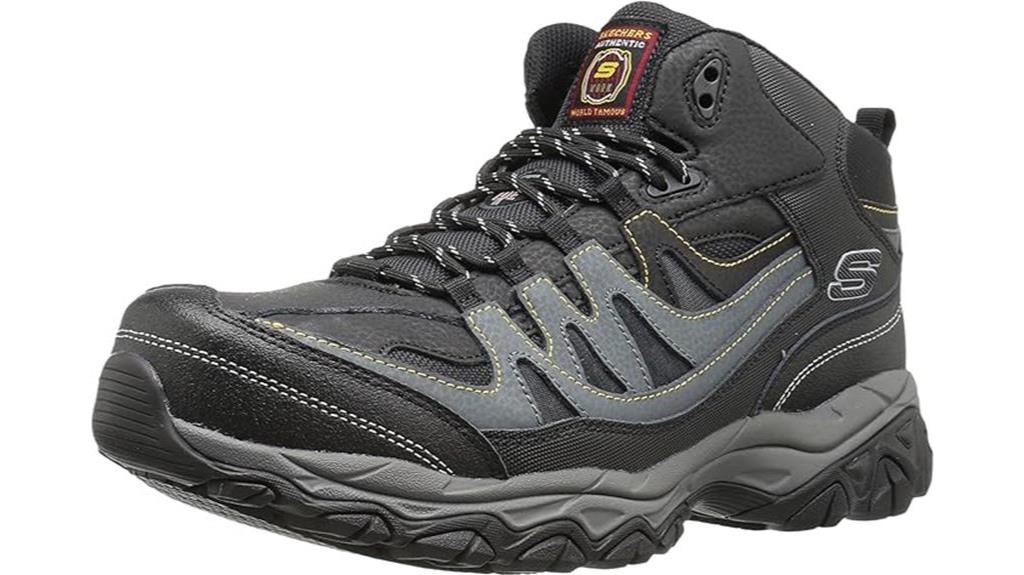
The Skechers Men’s Holdredge Rebem Work Boot is a highly recommended choice for those in need of lightweight and comfortable steel toe work boots. With a slip-resistant design and steel toe protection, these boots provide the necessary safety features without being heavy or cumbersome.
The insoles are specifically designed to allow for standing for hours on concrete without causing discomfort, making them suitable for various professions and activities. The memory foam offers great comfort, and customers have positively reviewed the quality, comfort, and fit of the shoes.
However, some users have reported sole separation after a year of use and wear and tear after additional months. Despite these issues, many are still satisfied with their purchase and appreciate the overall value of the price.
Product Specs:
- Slip-resistant design
- Steel toe protection
- Memory foam insoles
- Suitable for various professions and activities
Pros:
- Lightweight and comfortable
- Slip-resistant
- Suitable for standing for extended periods
- Memory foam provides great comfort
Cons:
- Sole separation reported after a year of use
- Wear and tear after continued use
Cat Footwear Men’s Second Shift Steel Toe Work Boot
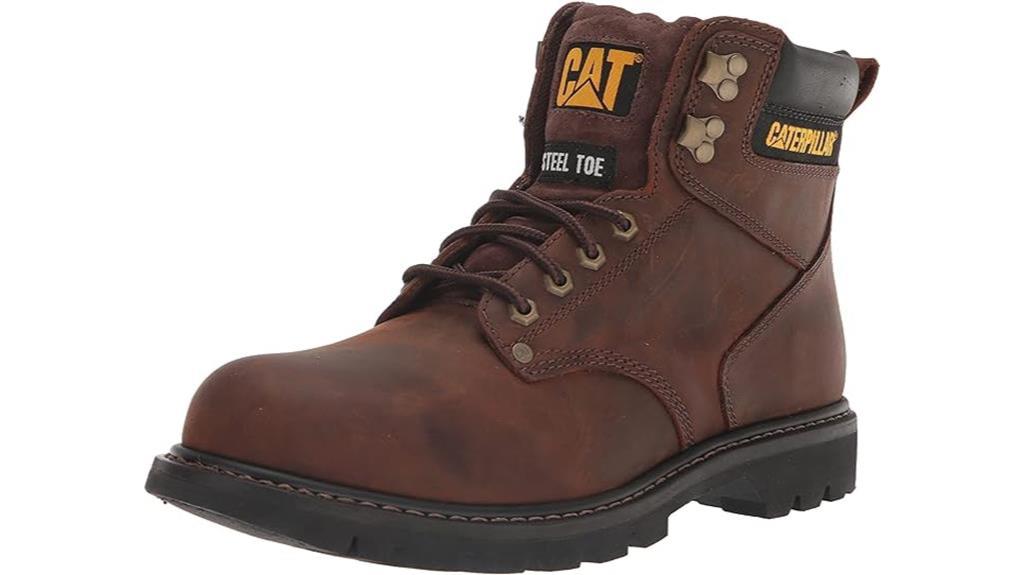
Looking for the best lightweight work boots? The Cat Footwear Men’s Second Shift Steel Toe Work Boot might just be what you need. These boots deliver protection, comfort, and durability with their rugged styling and quality leathers.
They’re known for their reliable construction that won’t fall apart and hurt your feet, making them an easy everyday choice.
Customers have praised these boots for their ankle support, non-slip tread, and durability. They’re recommended for repair work and have been commended for providing security and comfort while walking. However, some customers have experienced issues with sizing and foot problems.
If you’re in need of a reliable and comfortable work boot, these might be the ones for you.
Product Specs:
- Steel toe
- Rugged leather upper
- Slip-resistant outsole
- Climasphere insole
Pros:
- Comfortable
- Durable
- Provides good ankle support
- Non-slip tread
Cons:
- Sizing issues
- Some customers experienced foot problems
- Changes in design may not suit everyone
Wolverine Men’s Floorhand Waterproof 6” Work Boot

When considering the best lightweight work boots, the Wolverine Men’s Floorhand Waterproof 6” Work Boot stands out for its durable construction and all-day comfort.
The waterproof full-grain leather and rubber outsole provide durability and traction on slippery surfaces.
You’ll appreciate the removable full-cushion footbed for added comfort during long workdays. Previous users have found these boots to withstand harsh weather and occasional drops, making them suitable for various work environments.
However, some users have noted that the insoles offer minimal padding and may require additional insoles for extra comfort.
Overall, these boots offer great value for the price, providing durability and comfort for daily use.
Product Specs:
- Waterproof full-grain leather
- Removable full-cushion footbed
- Rubber outsole for traction
- Durable construction
- All-day comfort
Pros:
- Durable and long-lasting
- Comfortable for daily wear
- Suitable for various work environments
Cons:
- Insoles offer minimal padding
- May require additional insoles for extra comfort
Steel Toe Safety Lightweight Work Boots
Timberland PRO Men’s Pit Boss 6 Inch Steel Safety Toe Industrial Work Boot
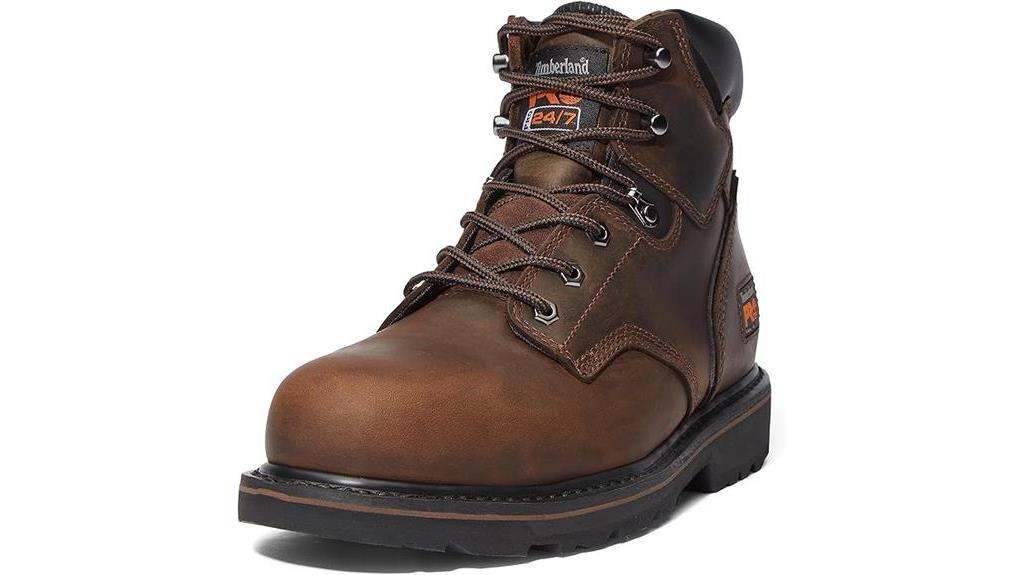
Looking for a pair of lightweight work boots? Consider the Timberland PRO Men’s Pit Boss 6 Inch Steel Safety Toe Industrial Work Boot for a durable and comfortable option. With its waterproof leather construction and steel toe meeting ANSI safety standards, these boots are designed to withstand tough work environments.
The roomier toe box and removable sock liner provide added comfort during long hours on your feet, while the unsurpassed traction-grip ensures stability on wet or slippery surfaces.
However, some users have reported issues with the color not matching the catalog and water seeping through, so be mindful of these potential drawbacks.
Product Specs:
- Waterproof leather
- Steel safety toe
- Roomier toe box
- Electronic hazard protection
- Removable sock liner
- Durable sole and laces
Pros:
- Steel toe meets safety standards
- Comfortable for long hours
- Excellent traction on slippery surfaces
Cons:
- The color may not match the catalog
- Potential issues with waterproofing
CAT Men’s Threshold Waterproof Steel Toe Work Boot
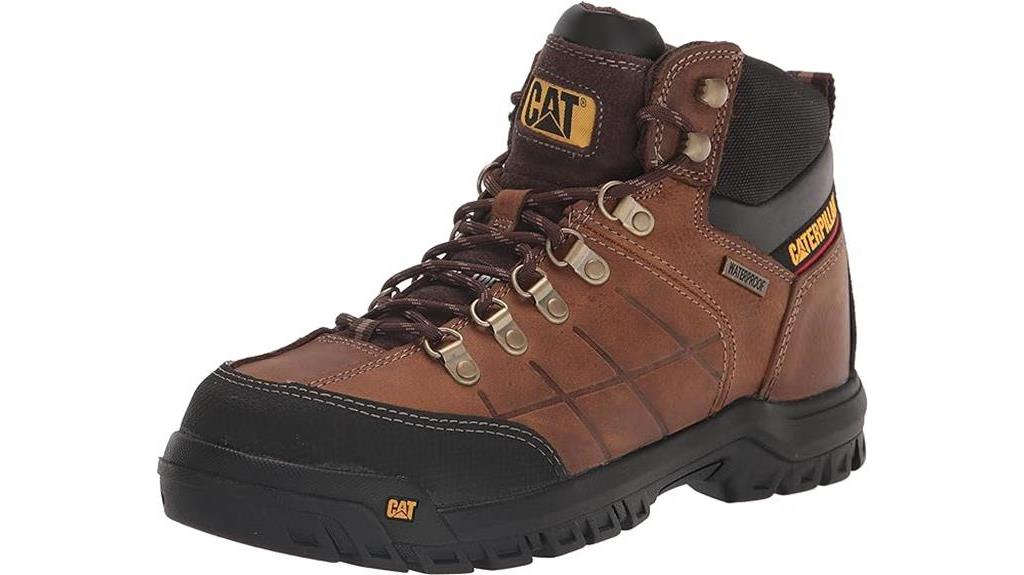
Considering lightweight work boots for your job? The CAT Men’s Threshold Waterproof Steel Toe Work Boot is a top contender. With a slip-resistant outsole and waterproof leather upper, these boots offer both safety and durability.
The soft removable insole provides added comfort, making them suitable for long hours of work. Priced under $100, they’re a cost-effective option without compromising on quality. Customer reviews highlight their longevity, comfort, and sturdy yet lightweight feel, akin to wearing tennis shoes.
However, some users experienced price hikes for subsequent purchases and quality issues with the sole and upper boot. Despite these drawbacks, the CAT Men’s Threshold Waterproof Steel Toe Work Boot remains a popular choice for those seeking affordable, lightweight work boots.
Product Specs:
- Slip resistant outsole
- Waterproof leather upper
- Soft removable insole
- Steel toe
Pros:
- Cost-effective
- Comfortable for long hours
- Sturdy yet lightweight
Cons:
- Price increases for subsequent purchases
- Quality issues with sole and upper boot
- Potential leaking issues
Composite Toe Safety Lightweight Work Boots
Carhartt Men’s 6″ Rugged Flex Waterproof Breathable Composite Toe Leather Work Boot
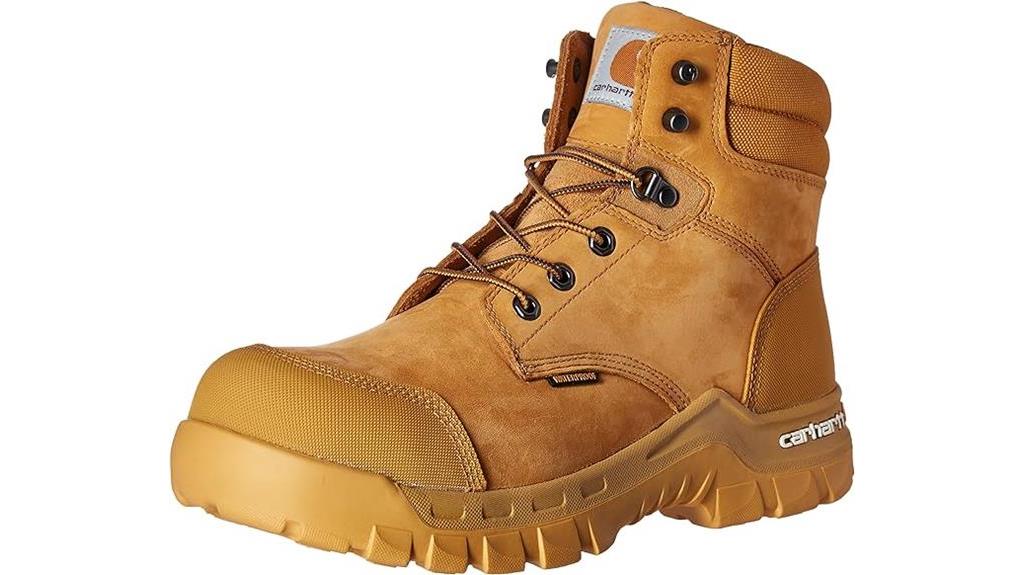
If you’re seeking lightweight work boots that offer durability and comfort, the Carhartt Men’s 6′ Rugged Flex Waterproof Breathable Composite Toe Leather Work Boot is a top choice.
Users praise the boots for their durability, with some reporting them to last for years, even in harsh working environments like concrete mines. The comfort and fit of these boots are also highly rated, with many users attesting to their flexibility and immediate comfort without a break-in period.
In comparison to other brands, many users have switched to Carhartt from previously preferred brands, citing better support and comfort. While recommended for specific professions like electricians and plumbing, it’s worth noting that these boots may not be suitable for hot or desert areas due to limited breathability.
Product Specs:
- 6′ height
- Composite toe
- Waterproof and breathable
- Rugged Flex technology
- Available in various sizes
Pros:
- Durable and long-lasting
- Immediate comfort without a break-in period
- Better support and comfort compared to other brands
Cons:
- Limited breathability in hot environments
Wolverine Overpass 6″ Mid Composite Toe Waterproof Work Boot

The Wolverine Overpass 6′ Mid Composite Toe Waterproof Work Boot stands out as an excellent choice for those seeking lightweight and protective work boots. Customers have praised the good quality, great looks, and overall comfort of these boots.
Many users have found them to be sturdy, comfortable for long hours of wear, and effective in keeping feet dry and warm. Some users noted that the boots felt rigid initially but became more comfortable over time. However, a lack of insulation and issues with the plastic tag and label on the tongue have been reported.
These boots are recommended for those needing protective footwear for various professions and specific use cases. Overall, they provide a combination of lightweight comfort and protective features, making them a popular choice.
Product specs:
- 6′ mid-height work boot
- Composite toe for protection
- Waterproof construction
- Lightweight design
- Available in various sizes and widths
Pros:
- Good quality and durability
- Lightweight and comfortable
- Sturdy and protective
- Waterproof and warm
- Suitable for various professions and specific use cases
Cons:
- Lack of insulation
- Issues with plastic tags and label
- Initial rigidity
ARIAT Men’s Catalyst Vx Waterproof Square Composite Toe Work Boot

You’ll find the ARIAT Men’s Catalyst Vx Waterproof Square Composite Toe Work Boot to be a top choice for lightweight and protective work boots.
These boots offer durability and performance, holding up well in various work environments. They’re praised for their comfort, especially by those who’ve switched from other brands.
The boots provide a rugged and stout design, with a flexible pull tab that doesn’t affect the appearance of your pants. Although not completely waterproof, they’ve a welted design for stability and have shown longevity in gravel and dirt base environments.
They’ve been noted to be a cost-effective purchase, especially when bought during a sale.
Product Specs:
- Waterproof and square composite toe
- Welted design for stability
- Flexible pull tab
- Available in wide and extra wide sizes
Pros:
- Durable and holds up well in various work environments
- Comfortable, especially for those switching from other brands
- Rugged and stout design with a flexible pull tab
Cons:
- Not completely waterproof
- Some issues with fit and bulkiness
- Insoles may be thin
Aluminum Toe Safety Lightweight Work Boots
Irish Setter, Ashby, Men’s, 6″, Aluminum Safety Toe, Work Boot
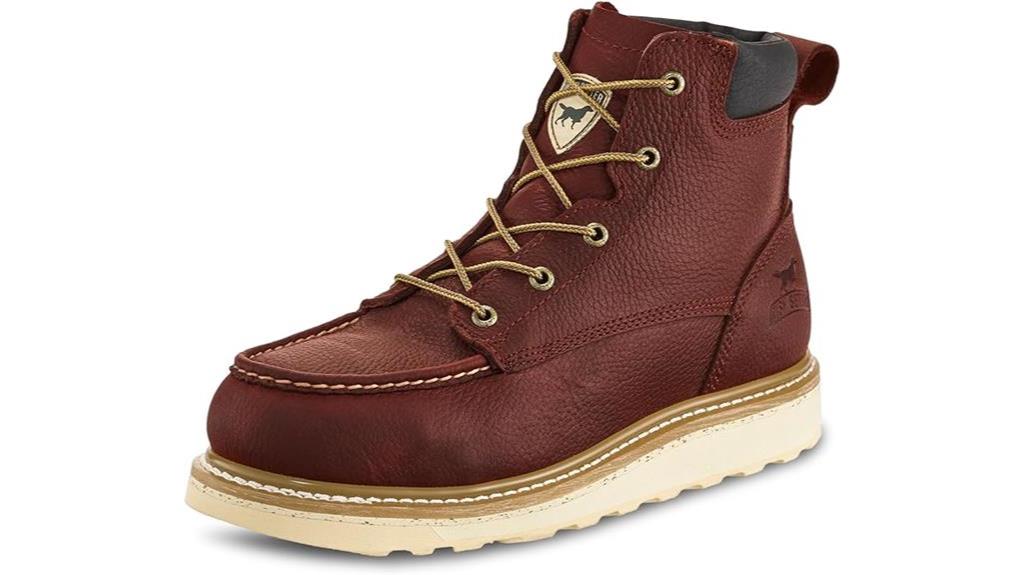
The Irish Setter Ashby Men’s 6′ Aluminum Safety Toe Work Boot is a top contender for the best lightweight work boots due to its durable construction and comfortable fit.
This boot is designed to keep you safe and comfortable during long workdays. The aluminum safety toe provides protection without weighing you down, and the durable construction ensures longevity in various work conditions.
The Ashby work boot also offers a comfortable fit, allowing you to stay focused on the task at hand without discomfort. With positive comments about durability and comfort, this boot is a reliable choice for those seeking lightweight work footwear.
Product Specs:
- Material: Leather
- Safety Toe: Aluminum
- Height: 6 inches
- Weight: Lightweight design
- Sole: Rubber
- Waterproof: Yes
Pros:
- Durable construction
- Lightweight design
- Comfortable fit
- Aluminum safety toe for protection
Cons:
- Sizing may run large
- Limited breathability
- Insoles may need replacement
Use Cases of lightweight work boots
Lightweight work boots provide comfort, support, and protection for workers in various occupations who are on their feet for long hours.
Choosing the right lightweight boot depends on the work environment and tasks required. Key factors include safety features, weatherproofing, traction, and cushioning.
Lightweight boots balance durability with reducing fatigue from heavy boots over a long shift.
Construction
For the construction industry, lightweight work boots with composite or steel toes are essential for protecting feet from impacts and compression injuries.
Waterproof leather and breathable linings make them suitable for outdoor work. Shock-absorbing midsoles and supportive insoles prevent pain and discomfort from walking on concrete and climbing ladders all day.
Traction outsoles grip slippery surfaces. Boots with electrical hazard protection are important for electricians. Durability is also key for boots to withstand abrasion from rough terrain.
Landscaping
Landscapers need lightweight boots to stay comfortable while working outdoors on grass, dirt, gravel, and other variable terrain.
Waterproofing blocks moisture from dew or sudden rains. Breathable mesh linings and uninsulated design keep feet cool in hot weather while working. Lugged outsoles provide traction on slopes and loose ground.
Flexible boots allow freedom of movement for squatting, kneeling, and climbing into trucks. Cushioned insoles absorb shock from long hours on feet.
Warehousing
In warehouses, lightweight work boots keep workers comfortable during long shifts of walking, lifting, and standing on concrete floors.
Slip-resistant outsoles provide traction on smooth surfaces and prevent falls. Padded collars and tongues prevent blisters from rubbing.
Supportive insoles and shock absorption reduce foot fatigue. Composite or alloy toes protect feet from impacts of dropped boxes and equipment. Anti-static options prevent sparks around flammable materials.
Manufacturing
For factory workers, lightweight boots with composite or steel toes guard against compression injuries and impacts from equipment and materials.
Slip-resistant soles provide stability on slick factory floors. ESD protection prevents static buildup near electronics. Supportive insoles and shock absorption reduce pain and fatigue from standing on hard surfaces.
Durable leather resists liquids and abrasion from machining. Removable footbeds accommodate orthotics.
Farming/Ranching
On farms and ranches, lightweight work boots need to withstand dirt, mud, and manure in barns and fields. Waterproof leather keeps feet dry in wet conditions. Lugged traction provides stability on uneven terrain.
Steel toes protect against impacts from tools and heavy equipment. Uninsulated, breathable boots prevent overheating while working outdoors.
Removable insoles allow dirt to be rinsed out at the end of the day. Flexible boots provide ankle support when walking on uneven ground.
Food Service
For food service workers, lightweight slip-resistant boots prevent falls and injuries on wet kitchen floors. Oil-resistant soles provide grip on greasy surfaces. Padded collars prevent blisters and abrasion.
Removable footbeds accommodate orthotics and allow cleaning after shifts. Moisture-wicking linings keep feet dry and comfortable in hot kitchens. Composite toes offer protection when lifting heavy items in storage areas.
Flexible boots provide support during long hours of standing.
Care and Maintenance
Proper care and maintenance are essential for getting the most out of your lightweight work boots. Clean them regularly with warm water, mild soap, and a soft brush to remove dirt, debris, and stains.
- Cleaning regularly
- Replacing insoles periodically
- Using shoe trees to retain shape
- Repairing any damage promptly
Allow them to fully air dry after cleaning. Replace the insoles every 4-6 months or when they become overly compressed. Use cedar shoe trees to help retain the boot’s shape when not being worn.
Periodically apply conditioners and creams to nourish the leather. Repair any damage like scuffs or cracked soles right away before they worsen. Following these care tips will extend the life of your lightweight work boots.
The Benefits of Lightweight Work Boots
Traditional heavy-duty work boots can weigh up to 5 pounds per boot and take a major toll on your feet, legs, and back.
The extra weight adds strain and fatigue over the course of a long work day.Lightweight work boots provide all the same durability and protection as heavier boots, while weighing in at 1.5-2.5 pounds lighter per boot.
This reduced weight offers many benefits:
- Less fatigue – Your feet and legs feel fresher at the end of the day
- Increased comfort – Lightweight boots reduce pain and discomfort while working
- Enhanced mobility – It’s easier to move around and be productive
- Improved safety – Reduced fatigue leads to fewer accidents and injuries
Workers who wear lightweight boots report significantly less foot and leg tiredness compared to heavy work boots. The right lightweight boots let you power through your work day with greater comfort.
Frequently Asked Questions
Are These Work Boots Suitable for People With Wide Feet?
Yes, these work boots are suitable for people with wide feet. They provide ample room and support for wider feet, ensuring comfort and stability throughout the workday. You’ll appreciate the extra space and comfort they offer.
Can These Work Boots Withstand Extreme Weather Conditions?
Yes, these work boots can withstand extreme weather conditions. The durable materials and weatherproof design ensure your feet stay protected in harsh conditions. You’ll feel confident in these boots no matter the weather.
Do These Boots Have a Safety Toe for Protection?
Yes, these boots have a safety toe for protection. They meet safety standards and offer reliable protection. You can work confidently knowing your feet are well-protected. Stay safe and comfortable on the job.
Are These Boots Slip-Resistant for Working in Wet or Oily Conditions?
You’ll never slip again with these boots! They’ve got the best slip-resistant outsoles to keep you safe in wet or oily conditions. Stay steady and focused on your work, no matter the environment.
Can These Work Boots Be Worn for Long Periods of Standing or Walking Without Causing Discomfort?
Yes, these work boots can be worn for long periods of standing or walking without causing discomfort. They are designed with cushioning and support to keep you comfortable throughout your workday, even on hard surfaces.
Are Lightweight Work Boots as Durable as Traditional Work Boots?
Yes, lightweight work boots can be just as durable as traditional work boots. They are designed with advanced materials and technologies that provide both comfort and protection, making them a reliable option for long-lasting wear on the job.
Can Lightweight Work Boots Provide Enough Protection for Heavy-Duty Work Environments?
In heavy-duty work environments, lightweight work boots can provide sufficient protection. They are designed with durable materials and meet safety standards. Look for features like steel toes and slip-resistant soles to ensure they meet your needs.
Are Lightweight Work Boots Suitable for Individuals With Specific Foot Conditions, Such as Flat Feet or High Arches?
If you have flat feet or high arches, lightweight work boots can be suitable. They offer support and comfort, helping to alleviate pain and discomfort associated with these foot conditions. Just ensure to find the right fit for maximum benefit.
How Do Lightweight Work Boots Compare in Terms of Slip Resistance and Traction on Different Surfaces?
When choosing lightweight work boots, consider slip resistance and traction on various surfaces. Look for outsoles designed for traction and stability. Ensure the boots provide secure footing on wet, oily, or uneven surfaces for safety at work.
Are There Any Specific Maintenance or Care Instructions for Lightweight Work Boots to Ensure Their Longevity?
To keep those work boots in top shape, follow care instructions like cleaning regularly, conditioning the leather, and drying them properly. It’s a small effort for boots that’ll last. Don’t skimp on the TLC!
Key Facts
Choosing lightweight work boots is an important decision that requires considering your workplace hazards, comfort needs, and footwear care. This guide covers the key factors in selecting the right pair of lightweight boots for your profession.
Be sure to take the time to properly test and break-in your new boots. And follow proper care and maintenance tips to get the longest life out of your boots. Investing in high quality lightweight work boots will provide essential protection and support while keeping fatigue and strain at bay.