
When Working With Hand Tools, Always Prioritize Safety: a Comprehensive Guide

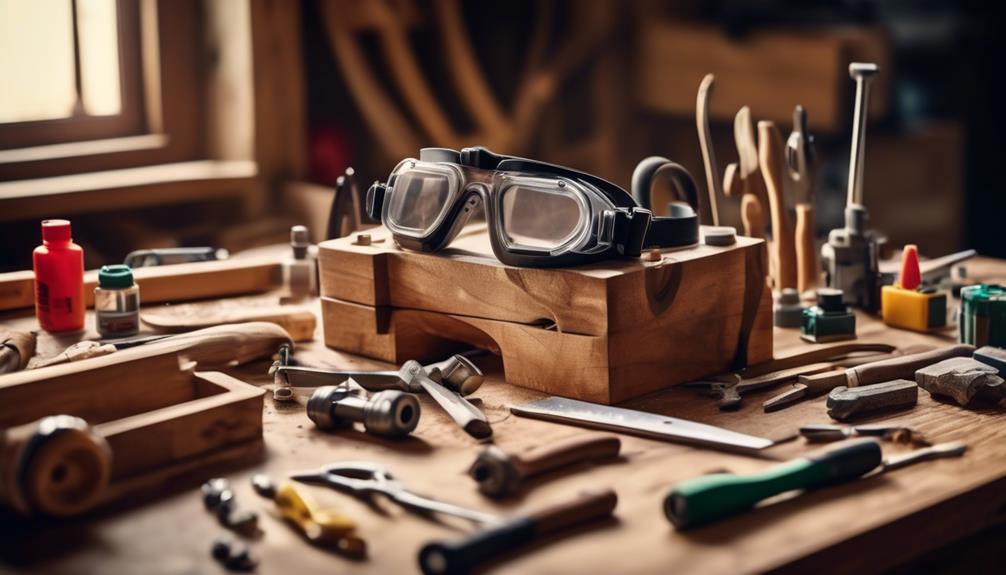 hand tools safety guide
Just as a master carpenter measures twice to cut once, so should you approach your hand tools with double the caution to prevent a single accident.
In your hands, a chisel or hammer is more than a simple tool; it's a key to an intricate world of craftsmanship that demands respect and knowledge to navigate safely.
You're aware that even the most experienced professionals can encounter mishaps if safety is sidelined. By equipping yourself with the right protective gear and maintaining a vigilant attitude towards your tools' condition and proper use, you're not just completing tasks, but you're also safeguarding your well-being.
Yet, there's a myriad of precautions and best practices that might not be at the forefront of your mind. As you continue, you'll uncover essential tips and routines that will transform your workspace into a fortress of safety, ensuring that every project you undertake is as secure as it is successful.
Key Takeaways
- Hand tool safety is crucial for preventing accidents and injuries on the job.
- Proper tool selection and knowledge are essential for maintaining safety.
- The use of appropriate personal protective equipment (PPE) is necessary for every task.
- Regular tool maintenance and storage practices ensure safe operation and prolong tool life.
Importance of Safety
Ensuring hand tool safety is crucial as it protects you and your colleagues from potential accidents and injuries on the job. When you prioritize safety, you're not only looking out for yourself but also creating a secure environment for everyone around you. Adherence to safety guidelines is the backbone of efficiency and the best way to prevent mishaps that can cause injuries.
Using hand tools properly and maintaining them regularly doesn't just prolong their life—it's vital for safe operation. This means always using the appropriate personal protective equipment (PPE) for the task at hand. Whether it's gloves, goggles, or ear protection, the right PPE can make all the difference. Remember, skipping on safety gear isn't just risky; it's a shortcut that can lead to long-term consequences.
A productive work setting is one that minimizes the risk of workplace hazards. It's a place where safety isn't an afterthought but the main priority. By ensuring worker safety, you're contributing to a culture of caution and care—a foundation that every successful and responsible work environment is built upon.
Tool Knowledge Essentials
Selecting the appropriate hand tool for your task is a fundamental step in maintaining a safe workplace. Using the right tool for the job not only ensures efficiency but also significantly reduces the risk of injuries. Remember, substituting tools can lead to improper use, which might cause damage to the tool, the workpiece, or worse, yourself.
Understanding the different types of hand tools is crucial. Whether it's a wrench, hammer, or screwdriver, each has a specific function. Don't use a screwdriver as a chisel or a wrench as a hammer. Such misuse can compromise your safety and the integrity of the tool.
Always complement tool use with the necessary personal protective equipment (PPE). Safety glasses shield your eyes from flying particles, gloves protect your hands from cuts and abrasions, and ear protection preserves your hearing during prolonged exposure to noise.
Before starting your work, inspect your tools. Look for any signs of wear or damage. A tool in poor condition is more likely to fail and can lead to accidents. Proper maintenance keeps tools in good working order and your work environment safe. Remember, a well-informed user is less likely to encounter unexpected hazards.
Protective Gear Selection
When you're selecting protective gear, start by focusing on safety eyewear that can withstand flying debris and keep your eyes shielded.
Your hands are your most valuable tools, so invest in durable gloves that offer both protection and dexterity.
Don't overlook your feet either; choose footwear that provides stability and guards against potential impacts.
Essential Safety Eyewear
Before tackling any project, always equip yourself with safety glasses or goggles to shield your eyes from potential risks. Personal protective equipment (PPE) like safety glasses is crucial to ensure safety and minimize the risk of accidents.
When selecting protective eye gear, consider these aspects:
- Fit and Comfort: Choose eyewear that fits well and doesn't slip, ensuring it stays in place while you work.
- Impact Resistance: Look for lenses with high impact resistance to protect against flying debris and particles.
- UV Protection: If you're working outdoors, select glasses that offer UV protection to safeguard your eyes from harmful rays.
Durable Hand Protection
To ensure your hands are well-protected while working with tools, it's essential to choose gloves that combine durability with a secure grip.
Always prioritize safety by selecting gloves made from materials that guard against cuts, abrasions, and punctures. Look for gloves with reinforced palms and fingers to enhance both protection and longevity.
Additionally, gloves with adjustable wrist closures can provide a snug fit, preventing slippage and ensuring comfort.
Appropriate Footwear Choices
Just as protecting your hands is crucial with the right gloves, selecting appropriate footwear is essential for maintaining safety from the ground up while working with hand tools.
When you're ensuring smooth operation, don't overlook your feet. Your choice of footwear should be a deliberate part of your safety measures. Here's what you need to consider:
- Closed-Toe, Slip-Resistant Shoes: Protect your toes from falling objects and keep steady on slippery surfaces.
- Steel-Toed Boots: For those heavy-duty tasks, these prevent injuries from sharp objects and support your feet.
- Proper Ankle Support: Using hand tools requires stability; shoes that support your ankles help prevent twists or sprains.
Avoid sandals or loose footwear, as they expose you to potential harm and can prevent rust and damage to your shoes.
Safety Best Practices
Ensure your hand tools are regularly checked and properly maintained to guarantee their safety and optimal performance. This isn't just busywork; it's a critical step to ensure safety whenever you're tackling a job. Look for any signs of damage, such as cracks, wear, or corrosion, and repair or replace any tools that don't pass muster. Remember, using damaged tools isn't just ineffective—it's dangerous.
When operating hand tools, always use proper techniques. For example, when sawing, use clamps to secure the material and free both hands to control the saw. This not only helps you achieve a straighter cut but also keeps your fingers away from the blade, reducing the risk of injury. Similarly, when chiseling, use one hand to guide the tool and the other to strike with a mallet. This level of control can prevent slips that lead to accidents.
Don't forget to wear the right personal protective equipment. Safety glasses, gloves, and ear protection aren't optional—they're essential. And before you even pick up a tool, ensure your workspace is tidy. A clutter-free environment minimizes tripping hazards and allows you to focus on the task at hand, keeping you and those around you safe.
Correct Hand Placement
Building on the foundation of general safety best practices, correct hand placement is equally crucial to prevent accidents while using hand tools. When you use tools properly, you maintain control and ensure safety, both for yourself and the tools.
To prevent damage to your work and avoid personal injury, here's what you need to remember:
- Maintain a Firm Grip: Always hold the tool with all fingers and the palm of your hand to maintain control. Hand tools with a non-slip grip are especially helpful in reducing the risk of an accident.
- Position Hands Safely: Keep your hand away from the striking surface and the cutting or exertion area. Ensure your fingers are positioned away from any moving parts or sharp edges.
- Avoid the Line of Impact: Never place your hand directly in line with the direction of the tool's impact or force. This simple rule can prevent serious injuries.
Tool Maintenance Routines
Regularly inspect and maintain your hand tools to keep them in optimal working condition and extend their lifespan. It's essential to have a routine in place to maintain the tools, ensuring they're always ready for use. Start by keeping your workspace clean and organized, which helps prevent accidents and makes it easier to spot any issues with your tools.
Every time you use a tool, give it a quick but thorough check before putting it away. Look for signs of wear, such as cracks or splinters in wooden handles, or rust and corrosion on metal parts. These can cause weakness and potentially lead to failure and damage during use.
After each use, clean your tools to remove any debris, dust, or dirt. If they're not cleaned, these seemingly harmless particles can accumulate over time, causing your tools to become less effective and potentially hazardous. Lubricate moving parts to prevent rust and ensure smooth operation.
Lastly, store your tools correctly. Don't just toss them into a drawer or leave them out in the elements. Use toolboxes, racks, or pegboards to keep them dry and protected.
Hand Tool Storage Tips
As you organize your workspace, ensure you have safe and easy access to your hand tools.
It's important to maintain their condition by storing them in dry, temperate areas, protecting them from rust and damage.
Investing in secure storage solutions, like toolboxes or pegboards, will keep your tools in place and help prevent workplace accidents.
Organize for Safe Access
Ensure your hand tools are stored efficiently to facilitate quick, safe access and maintain a clutter-free workspace. Keeping your work area clean is essential, not just for efficiency but also for safety. Here's how to keep your tools properly stored:
- Designate Specific Places: Assign a spot for each tool, especially for frequently used items like clamps. This minimizes search time and keeps your equipment within safe distance.
- Use Wall Racks and Pegboards: Hang tools on walls to save space and reduce the risk of tripping over them on the floor.
- Implement Toolboxes and Organizers: Store smaller tools in labeled compartments within toolboxes to prevent clutter and ensure that every tool is accounted for after use.
Maintain Tool Condition
After organizing your workspace for safe access, it's crucial to maintain the condition of your hand tools by storing them properly to prevent damage and ensure their longevity.
Keep them clean, wiping away dirt and moisture that can cause corrosion.
Store sharp or pointed tools securely to prevent injuries and ensure safety.
Use toolboxes, racks, or pegboards made from durable materials to keep your tools organized and easily accessible.
Pay attention to moving parts and pivot points, ensuring they're free from grime that could impair function.
Regularly inspect your storage areas to verify that tools remain in prime condition.
Secure Storage Solutions
Investing in robust toolboxes and wall-mounted systems helps you keep your hand tools both organized and secure. Secure storage solutions are essential to ensure safety in your workspace.
Here are three key tips to keep in mind:
- Designate a Spot for Each Tool: Use foam inserts or shadow boards for each tool, which not only organizes your space but also reduces the risk of tools being misplaced or damaged.
- Protect Sharp Tools: Always store sharp or pointed tools in protective sheaths or cases. This practice not only maintains the tools' condition but also prevents accidents and injuries.
- Implement Security: In shared spaces, consider locking mechanisms for your tool storage to prevent unauthorized access and use of tools, which may include clamps or vices.
Hazard Awareness
When using hand tools, always stay alert to the potential hazards that can arise, such as sharp edges, moving parts, and the risk of impact. Regular inspections of your tools will help prevent issues that could lead to accidents. Look out for signs of damage or wear, which may not be immediately apparent but can have serious consequences.
To ensure safety, don the right personal protective equipment (PPE). This simple step can significantly reduce the risk of injuries, from gloves that protect against cuts to goggles that shield your eyes from flying debris. Transport your tools carefully; a misplaced tool on the floor can become a dangerous tripping hazard.
Using the wrong tool for the job not only makes your task harder but also increases the chance of an accident. Always select the right tool, and handle it with care, especially when you're working in proximity to others. Keeping a clean and organized workspace is crucial; it not only helps prevent accidents but also makes it easier to stay focused and efficient.
Frequently Asked Questions
What Is a Good Rule When Working With Hand Tools?
You should always wear proper PPE and inspect your tools for damage before starting any job to ensure you're working safely and effectively with hand tools.
What Are the 5 Guides Steps in Properly Using Hand Tools?
You should select the right tool, inspect it before use, wear appropriate PPE, use the tool correctly, and store it safely after use. These steps ensure you're using hand tools properly.
What Is the First Rule in Hand and Power Tools Safety?
So, you're wielding tools like a superhero, but even heroes wear armor. Your first rule: slap on that PPE before you become a cautionary tale of what not to do with tools.
What Are the OSHA Safety Tips for Hand Tools?
You should wear PPE, inspect tools before use, handle them with care, keep your space tidy, and disconnect power tools when adjusting to follow OSHA's safety tips for hand tools.
Conclusion
In wrapping up, remember that keeping your digits intact and your noggin unknocked hinges on your commitment to safety. Stay wise with your gear choices and keep those tools in tip-top shape.
A tidy space is a safer space, so stash your gear with care. Eyes sharp for hidden gremlins that could trip you up.
By following these nuggets of wisdom, you'll not only safeguard your well-being but also nail your tasks with finesse.
Stay safe, ace!