
A Youngster With a Tool in Both Hands: Encouraging Safe Tool Use in Youth

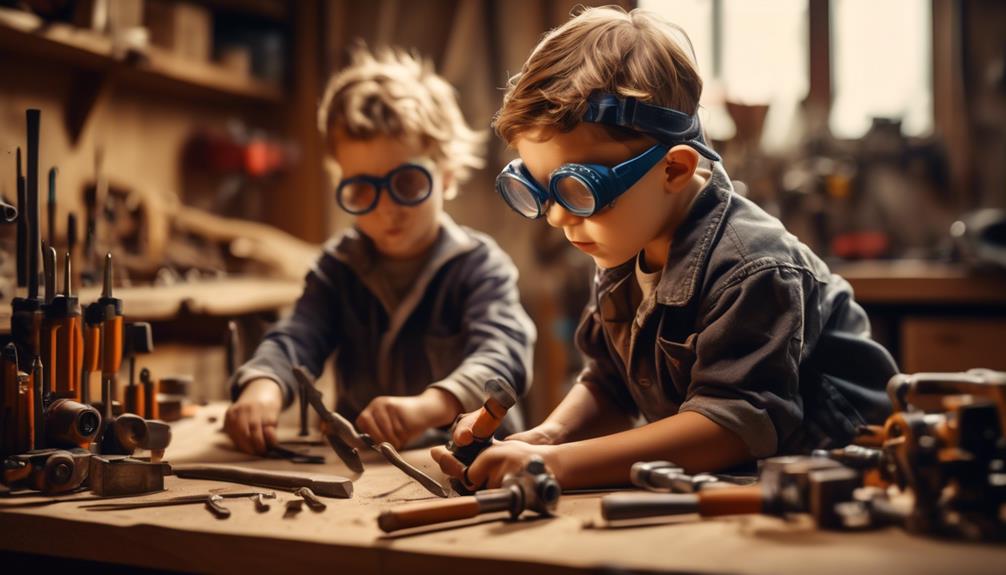 promoting safe tool use
You might not be aware that the process of learning to use tools safely can significantly shape a child's cognitive and motor skills development. As you introduce a youngster to the art of craftsmanship, it's essential to strike a balance between nurturing their curiosity and ensuring their safety.
Age-appropriate tools, when used under guidance, can be an excellent means for young minds to learn responsibility and the fundamentals of practical problem-solving. Your role in establishing a secure environment and demonstrating proper technique is paramount.
But how can you effectively communicate the intricacies of safety measures to a child eager to wield a hammer or drill? The key lies in a structured approach that piques their interest while building a solid foundation of respect and understanding for the tools in their hands.
Let's explore how you can foster this delicate blend of education and caution, ensuring that the young apprentice in your life is both safe and inspired.
Key Takeaways
- Safety gear such as gloves and safety goggles should always be worn when using tools to protect against potential hazards.
- It is important to select age-appropriate tools that are safe and suitable for a child's age and abilities.
- Establishing a safe workspace, including proper lighting and organization, is crucial to minimizing risks when using tools.
- Demonstrating proper tool handling techniques, emphasizing the importance of safety gear, and correcting unsafe behaviors are essential for promoting safe tool use in youth.
Understanding Tool Safety Basics
Before handing a tool to a young person, it's crucial to ensure they understand the basics of tool safety. This starts with always wearing the right protective gear like gloves and safety goggles. Encouraging safe tool use in youth is about instilling respect for the equipment and the potential hazards they can pose. You've got to remember that every tool demands attention to detail.
Keep tools in tip-top shape. A damaged or poorly maintained tool isn't just harder to use, it's a safety risk. Make sure you're showing them how to inspect their equipment before they get started. And it's not just about checking the tool—it's about knowing how to hold and use it properly to avoid accidents.
Don't ever let them use a tool for something it wasn't meant for. It's a shortcut that can lead to injury or damage. And remember, kids need supervision. You're not just there to keep an eye on them; you're a guide, teaching through action and advice.
Selecting Age-Appropriate Tools
When choosing tools for young people, it's essential to consider their age and abilities to ensure the tools are safe and appropriate for them to use. You'll want to select tools that not only support children's learning and development but also prioritize their safety. Look for options that include safety features and mechanisms tailored to the child's developmental stage. These features can go a long way in preventing accidents and instilling good safety habits.
You should also focus on tools with comfortable grips and handles. They should be easy for the child to hold and control, which is vital for both safety and skill development. Tools that are too large or unwieldy can be difficult for children to manage and increase the risk of injury.
Moreover, give preference to lightweight and manageable tools that suit the child's strength and coordination levels. Heavy tools can cause strain or be too challenging for young users.
And remember, always supervise and guide children when they're using new tools. Your oversight ensures they learn proper techniques and use the tools safely, helping to build confidence and competence in their newfound skills.
Establishing a Safe Workspace
Having selected age-appropriate tools, it's equally important to create a workspace that's safe and conducive to learning for young users. Encourage children to take part in setting up their own workspace, emphasizing the importance of the following:
- Ensure the workspace is well-lit and free of clutter to minimize risks:
- Adequate lighting prevents eye strain and helps focus on tasks.
- A clutter-free area reduces the chance of accidents.
- Use a stable work surface or workbench:
- It provides a secure area for tool usage.
- Encourage children to check the stability before starting any project.
- Keep the workspace organized**:
- Properly store tools and materials.
- Designate a specific place for each tool and ensure its return after use:
- This prevents misplacement and potential accidents.
- It helps maintain a clean and efficient workspace.
- Implement safety protocols:
- Wearing appropriate personal protective equipment.
- Using tools only for their intended purposes**:
- Teaches children the correct way to handle tools.
- Reinforces the importance of safety in the workspace.
Demonstrating Proper Tool Handling
You'll set the standard by modeling the correct technique when handling tools; it's your actions they'll mimic.
Make sure to closely supervise their initial attempts, offering guidance to ensure they're using tools safely.
And don't forget, emphasizing the importance of wearing safety gear like gloves and goggles is crucial to prevent injuries.
Model Correct Technique
To ensure your safety and the effectiveness of your work, it's essential to master the correct technique for handling each tool, starting with the proper grip and stance.
Model correct technique by:
- Demonstrating proper tool handling:
- Show how to hold each tool with a firm, yet comfortable grip.
- Illustrate the appropriate stance, with feet shoulder-width apart for balance.
- Reinforcing safety and focus:
- Emphasize the need for constant attention to prevent accidents.
- Review the safety guidelines specific to each tool.
Practice is crucial. Encourage repetition to build muscle memory, ensuring that the right methods become second nature.
Supervise Initial Attempts
When you first introduce a tool to a young person, it's critical to closely supervise their initial attempts to ensure they're grasping proper handling and safety measures. Provide clear, detailed instructions and demonstrate the correct posture, hand placement, and technique.
Encourage them to ask questions and seek clarification, making the learning process interactive. Your continuous observation is vital; don't hesitate to correct any unsafe behaviors immediately.
Highlight Safety Gear Importance
Understanding the necessity of safety gear is as crucial as mastering the tool itself; always don appropriate goggles, gloves, and a dust mask to safeguard against potential hazards.
To help children grasp the importance:
- Wear Safety Gear:
- Goggles protect eyes from flying debris.
- Gloves defend against cuts and abrasions.
- Dust masks prevent inhalation of harmful particles.
- Handle Tools Correctly:
- Show a firm grip to avoid slippage.
- Keep fingers clear of sharp edges and moving parts.
Teach them to inspect tools for damage before use, emphasizing that reporting defects is a responsibility. Stress the significance of using tools for their intended purpose and seeking guidance when unsure. Encourage them to respect tools, underscoring that misuse not only damages the tool but can lead to injury.
Incorporating Supervised Practice Sessions
Ensuring that a responsible adult supervises each practice session is crucial for teaching youth the safe handling of tools. As you begin incorporating supervised sessions into your child's learning, start with straightforward tasks using basic tools. This helps them build a solid foundation before moving on to more complex equipment. It's imperative that children practice with constant oversight to ensure they're adhering to safety guidelines and wearing the necessary protective gear.
As your child progresses, use these sessions to demonstrate proper tool handling and techniques. Stress the importance of maintaining focus and concentration to avoid accidents. Your presence allows for immediate correction of unsafe behaviors and reinforces good habits.
Remember to provide constructive feedback and encouragement during these practice times. Positive reinforcement helps create an enjoyable and effective learning atmosphere. As children practice, they'll gain confidence and skill under your watchful eye, setting the stage for a lifetime of safe tool use.
Keep in mind that patience and persistence are key. Your guidance today lays the groundwork for their self-reliance tomorrow.
Emphasizing the Importance of Protective Gear
As you gear up for any project, it's crucial you don the right protective gear—no excuses.
You'll need to understand why eye protection is non-negotiable whenever you're working with tools that could send debris flying.
Let's not forget your hands; choosing durable gloves is essential to safeguard your fingers and palms from cuts and abrasions.
Gear Up for Safety
Before you start your next project, always gear up with the proper protective equipment like gloves, goggles, and helmets to stay safe. It's crucial, especially when children use tools, to prioritize their safety above all.
Here's what you need to remember:
- Wear appropriate protective gear:
- Gloves: Protect hands from cuts and abrasions.
- Goggles: Shield eyes from flying debris and dust.
- Safety guidelines:
- Read and comprehend instructions for each tool.
- Inspect tools for damage before use.
- Organized storage: Keeps the workspace safe and tools in good condition.
- Adult supervision:
- Required for power tool usage.
- Ensures proper handling and technique.
Adhering to these pointers will help prevent accidents and promote a culture of safety among young DIY enthusiasts.
Eye Protection Essentials
Shielding your eyes with the right protective gear is essential whenever you're wielding tools, whether they're manual or powered. It's crucial that the safety glasses or goggles you choose meet ANSI standards, ensuring they're up to the task of protecting your vision. Make sure that the gear fits snugly and shields your eyes completely, including from hazards coming from the side.
It's also vital to inspect your eye protection regularly and replace it if it shows signs of damage or wear. As children develop skills and habits, teach them the importance of wearing eye protection. Instill in them that it's a non-negotiable part of tool use, fostering a lifetime of safe practices.
Durable Handwear Choices
Just as protecting your eyes is vital, selecting the right gloves is key to keeping your hands safe when using tools. It's essential to choose handwear that not only fits snugly but also offers the right protection for the job at hand.
Here's what to look for:
- Reinforced Palms and Impact Protection
- *For heavy-duty work*, protecting the base of your hands and fingers is crucial.
- Snug Fit
- Ensures dexterity and grip, crucial for safely handling tools.
- Cut-Resistant Materials
- Minimizes injury risks from sharp tools.
- Breathable Materials
- Keeps your hands comfortable, preventing sweat build-up during long sessions.
- Adjustable Wrist Closures
- Keeps gloves secure and debris out.
Addressing Common Safety Mistakes
To ensure your safety and that of others, it's crucial to recognize and correct common mistakes made while using tools. As you grow more confident in your abilities, don't forget that accidents often stem from carelessness.
A key error is neglecting to wear appropriate safety gear. No matter how small the job, always put on goggles and gloves to protect yourself.
Keep in mind that young children are still undergoing physical development, which can impact their coordination and strength. Ensure that your work area is clean and well-lit to minimize the risk of injury due to a cluttered space or poor visibility. This is particularly important when instructing youth, as a tidy environment promotes better focus and safer handling of tools.
Use each tool for its intended purpose and treat it with the respect it demands—misuse can lead to damage or injury. And remember, power tools aren't toys; always unplug them after use and store them securely out of reach.
Lastly, seek proper training and supervision, especially when tackling new projects. This guidance is vital to developing safe tool habits that will last a lifetime.
Encouraging Responsibility and Maintenance
Instilling a sense of responsibility in youth involves teaching them the importance of regular tool maintenance and proper care. When children learn to value their tools, they're not just taking care of their equipment; they're developing a lifelong habit of responsibility.
Start by explaining that each tool has a specific function and needs attention to perform its best. This includes:
- Proper cleaning after use
- Wiping down surfaces to prevent rust
- Lubricating moving parts to ensure smooth operation
- Safe storage
- Designating a spot for each tool
- Keeping tools away from harsh environments
Encourage children to take pride in their toolset. This isn't just about cleanliness or organization; it's about owning the responsibility that comes with using tools.
Teach them to inspect their tools before and after use, looking for signs of wear or damage. If they find an issue, they should feel empowered to report it and learn how to fix it if appropriate.
Frequently Asked Questions
How Do I Address a Child's Fear or Apprehension Towards Using Tools for the First Time?
To address a child's fear of tools, start by demonstrating their safe use yourself and then guide them through each step, offering encouragement and patience as they learn and gain confidence.
Can Video Games or Virtual Simulations Be an Effective Way to Introduce Children to Tool Use Before Handling Actual Tools?
Yes, video games and virtual simulations can effectively introduce you to tool use; 75% of children learn better with interactive tech. It's safe, engaging, and can ease you into real-world applications confidently.
What Psychological Benefits Can Children Gain From Learning Tool Use at a Young Age?
You'll gain confidence and problem-solving skills by learning tool use early. It also boosts creativity and can improve hand-eye coordination, setting a solid foundation for future practical and cognitive development.
How Can I Involve My Child in DIY Projects Without Overwhelming Them or Compromising Safety?
Just like juggling responsibilities, you can involve your child in DIY projects by starting with simple tasks, ensuring they wear safety gear, and supervising closely to keep it fun and accident-free.
What Are the Legal Considerations or Age Restrictions for Allowing Children to Use Power Tools in a Home or Educational Setting?
You'll need to check local laws, as age restrictions for power tools vary. In educational settings, liability waivers and safety courses are often required before kids can use such equipment.
Conclusion
You've now equipped your little builders with the know-how to wield their tools confidently and safely. Remember, a stitch in time saves nine—regularly maintain and respect those tools to prevent mishaps.
Let them proudly don their safety gear as they carve their path to mastery. Your vigilant guidance is their strongest shield. Together, you're not just crafting projects, but also shaping responsible, skilled individuals.
Keep nurturing their potential, safely and surely.