
Trencher Hand Tools: A Comprehensive Guide for Gardeners

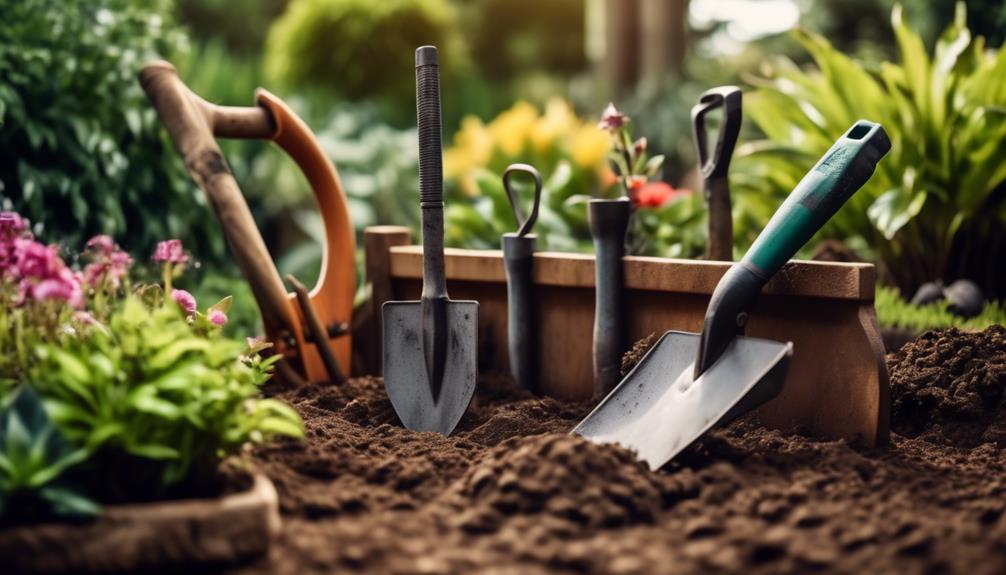 ultimate guide for gardening tools
In the serene world of gardening, the aggressive edge of a trencher hand tool slices through soil with a precision that belies its rugged appearance. You might think of your garden as a tranquil retreat, but when it comes to shaping it, trenching is a task that requires both finesse and strength.
As you contemplate the layout of your flower beds or the installation of an irrigation system, it's crucial to have the right trenching tools in your arsenal. This comprehensive guide will walk you through the various hand tools designed for trenching—each with its purpose and particular use.
Whether you're breaking new ground or refining existing landscapes, understanding the mechanics and benefits of different trenchers will equip you with the knowledge to choose the best tool for the job. Stay with me as I unearth the secrets behind these indispensable implements, and discover how to revolutionize your gardening endeavors with the proper technique and tool maintenance—because what lies beneath the surface can make all the difference in the health and beauty of your garden.
Key Takeaways
- There are different types of trencher hand tools including drainage spades, trenching hoes, trench digging shovels, and clean out shovels.
- The drainage spade is useful for hard soil, while trenching shovels are ideal for narrow and deep trenches. Trenching hoes are used for chopping and carving soil, and bottom digger clean-out scoops are used for removing loose soil.
- It is important to maintain trencher tools by cleaning them after use, inspecting and sharpening regularly, protecting handles and metal parts from corrosion, tightening loose parts, and checking for cracks or stress in fiberglass handles.
- When selecting a trencher, consider the compatibility with soil type, the ergonomics for smaller gardening projects, and the size of the trench. For hard ground, a robust trencher should be chosen.
Understanding Trencher Tools
To get the hang of trencher tools, let's dig into the various types gardeners commonly use for different digging tasks.
Trenching tools are essential for efficient hand digging, allowing you to precisely shape the soil. When you're tackling compacted soil or need to carve out a channel for a French Drain, a Drainage Spade, also known as the Sharp Shooter shovel, is your go-to. Its pointed shovel head slices through tough earth like a knife through butter.
For more specialized work, trenching shovels come in handy. The Trench Digging Shovels, with their unique handle angles and head designs, are engineered for scooping out soil efficiently, while Clean Out Shovels are perfect for the fine-tuning of trenches.
And when you're laying down underground utilities or working on a flat-bottomed trench, the Trenching Hoe, available in 4 and 6-inch wide models, offers the precision you need.
Types of Trencher Hand Tools
Having explored the basics of trencher tools, let's examine the different types that gardeners use for specific soil and digging tasks. Each tool has unique features making it one of the best tools for digging trenches, depending on the job at hand.
Here's what you've got to choose from:
- Drainage Spade (Sharp Shooter shovel or Tile spade): Ideal for penetrating tough sod, hard soil, and dirt with rocks, this trenching shovel is available in both long and short-handled versions. It's perfect for creating rough, rounded-bottom trenches.
- Trenching Hoe (Grub Hoe): When you need to dig flat-bottomed trenches, this hand tool is a go-to. It's akin to a manual power trencher and comes in 4 and 6-inch wide models. With a chopping action, it carves out clean trenches, making it a powerful addition to your toolshed.
- Trenching Shovels: There are two main varieties – the Trench Digging Shovels for creating narrow, flat-bottomed trenches, and the Clean Out Shovels for removing loose soil. The professional-grade, fiberglass-handled models are designed for durability and efficiency in trench digging tasks.
Essential Trenching Techniques
Before digging into your next gardening project, it's crucial to master the essential trenching techniques that ensure both efficiency and safety. When tackling hard soil, reach for a Drainage Spade, also known as a Sharp Shooter shovel. Its pointed, metal blade is ideal for penetrating tough ground. For narrow and deep trenches, Trenching Shovels are your go-to tools. They're designed to slice through the earth with precision, creating a clean, flat-bottomed trench.
As you dig, maintain trenching safety by keeping your movements steady and controlled. Use a Trenching Hoe, available in 4 and 6-inch models, to chop and carve out the soil. This tool is particularly effective for cutting through denser terrain. When you need to remove the loose soil from deep trenches, employ a Bottom Digger clean-out scoop. Its design ensures you can scoop out debris without overexerting yourself.
Remember to work methodically. Start at one end of your trench and walk backwards as you dig, to avoid compacting the soil and to keep the trench's edge neat. Using these techniques, you'll create professional-grade trenches, whether for irrigation, drainage, or planting, with a focus on safety and precision.
Trencher Tool Maintenance
Maintaining your trencher tools regularly will protect them from corrosion and extend their useful life. These garden tools face harsh soil conditions and frequent use, which can take a toll on their durability. By giving your digging tools the care they need, you'll ensure they're always ready for the task at hand.
Here's a simple maintenance routine to follow:
- Clean After Use: Each time you use your trencher hand tools, remove soil, and debris. This step prevents build-up that can lead to corrosion, especially on steel blades.
- Inspect and Sharpen: Check for wear and tear. Keep that sharp edge with regular sharpening, or replace blades when necessary to maintain peak performance. Don't forget to tighten any loose parts!
- Protect Handles and Metal: Treat wooden handles with conditioner and apply lubricant to metal parts to ward off rust. If you have fiberglass handles, check them for cracks or stress.
Selecting the Right Trencher
When choosing a trencher, you need to consider the tool's compatibility with your soil type. Some are better suited for clay, while others can cut through sandy conditions with ease.
Factor in ergonomics to ensure you're picking a hand trencher that won't strain your back during smaller gardening projects.
For bigger tasks, weigh the benefits of walk-behind or ride-on models to save time and effort.
Trencher Type Considerations
Selecting the right trencher for your gardening project hinges on understanding the project's scale and the soil conditions you'll be working with. Here are three key considerations:
- Trenching Shovel vs. Trench Digger: For narrow trenches and jobs that don't require deep excavation, a trenching shovel is your go-to. If you're digging a trench that's larger or deeper, you might need a trench digger.
- Soil Type: If you're dealing with hard ground, ensure you choose a trencher attachment or hand tool robust enough to penetrate the soil without excessive effort or damage to the tool.
- Project Size: Hand tools can manage small-scale projects, but for extensive work, consider renting a walk-behind or ride-on trencher for efficiency.
Soil Type Compatibility
To ensure your trenching efforts aren't in vain, it's essential to match the trencher you choose to the specific soil conditions of your garden project. Soil type compatibility is crucial, as different trenchers are designed for various types of soils. Whether you're dealing with hard, rocky soil or penetrating sod, the right tool will save you time and energy.
For rocky terrains, select a trencher with sharp edges and robust construction to handle the challenging environment. If your tasks involve lighter soils, a less heavy-duty trencher might suffice. Using the wrong tools can lead to unnecessary strain on both the machinery and yourself.
Always consider the soil type compatibility before starting different tasks to ensure your tools used are up to the mark.
Hand Trencher Ergonomics
Ergonomically designed hand trenchers often provide gardeners with the comfort and efficiency required for small to medium-sized projects. When selecting the best hand trench tool, consider the following:
- Type of Project: A Grub Hoe might be ideal for narrow and deep hand trenches, while a trenching shovel with a long handle is beneficial for general digging.
- Soil Conditions: Opt for trench diggers that can withstand your garden's specific soil type, whether it's clay-heavy or rocky.
- Cost-Effectiveness: Weigh the options of renting versus buying, especially if you're only tackling a one-time project.
Don't overlook the importance of ergonomics in your digging tools, as the right choice can save your back and increase productivity in your trenching endeavors.
Manual Vs Mechanical Trenchers
You've seen the differences in effort and accessibility between manual and mechanical trenchers, but let's consider their impact on your project's efficiency and speed.
While you'll spend less upfront on a manual trencher, the ongoing costs and maintenance of mechanical options can't be ignored.
It's essential to weigh these factors against your gardening needs to determine which type of trencher will be the most cost-effective and productive for you.
Efficiency and Speed
While manual trenchers might be adequate for small-scale gardening tasks, mechanical trenchers significantly outpace them in both efficiency and speed for larger projects. If you're tackling a job that requires digging narrow, deeper trenches, you'll find that:
- A shovel or Grub Hoe requires considerable effort and time, making them less suitable for expansive areas.
- Walk-behind Trenchers can navigate through various soil conditions quickly, carving out clean trenches without the back-breaking labor.
- The choice between manual and mechanical trenching tools hinges on the project's scope; for extensive work, mechanical means ensure greater efficiency and speed.
Cost and Maintenance
Considering the efficiency and speed of mechanical trenchers, it's equally important to weigh their higher initial costs and maintenance demands against the affordability and simplicity of manual alternatives.
Mechanical trenchers, including the ride-on trencher, range in size and are designed to create trenches quickly but come with the need to use more funds upfront. The tools you need to maintain these machines, such as engine tune-ups and lubrication supplies, can add to the total cost.
On the other hand, manual trenchers are more cost-effective to purchase and the tools include basic items you likely already possess. While they demand more physical effort, the long-term savings in maintenance can make them a savvy choice for your gardening projects.
Trenching Safety Best Practices
Before you begin any trenching work, it's crucial to dial 811 to ensure all underground utilities are properly marked for safety. This simple step helps prevent accidental damage to utility lines, which could lead to serious hazards.
When your digging tasks involve trenching, whether it's for water pipes, drainage pipes, or any other project, you need to start with the right tools and knowledge.
Here are three key safety practices to follow:
- Use Protective Systems: For trenches five feet or more inches deep, employ a trench box or similar protective system to prevent collapses, unless you're working in stable rock.
- Test for Hazards: If your trenches are deeper than four feet, test for hidden dangers such as fumes, gases, or low oxygen levels that could pose health risks.
- Maintain Safe Distances: Keep the heaps of excavated soil at least two feet away from the trench edges to prevent accidents and cave-ins.
Troubleshooting Common Issues
Having established the importance of safety when trenching, let's address how to tackle common issues that can arise with trencher hand tools.
When you're digging small channels or need to dig a trench for installing pipes, you might find the blade of your trencher has become dull or damaged. To ensure efficient cutting through soil and removing weeds, regularly check the blade's sharpness and look for signs of wear. If it's dull, sharpen it using a suitable file or stone; if damaged, you may need to replace it.
Sometimes, handles and joints can get jammed or stuck, especially after extensive use for trenching. If this happens, clean off any soil from the bottom of the trencher and apply a lubricant to the affected areas to restore motion. Also, watch out for soil and debris buildup on the blades. Scrape away any extra soil to prevent the tool from becoming inefficient and cumbersome.
Lastly, don't ignore the handle or grip. Over time, it can show signs of wear and tear, making it uncomfortable to use and potentially unsafe. Replace any worn grips to maintain a secure and comfortable hold on your trencher hand tool.
Enhancing Efficiency With Trenchers
To enhance your trenching efficiency, select the right trencher tool that aligns with your project's specific needs and scale. For smaller, precise tasks, hand tools used for digging, such as the Grub Hoe, are indispensable. They allow you to carve out a trench with accuracy and are great for tight spaces.
When considering how to increase your productivity, keep these points in mind:
- Match the Tool to the Job: For basic garden beds, a trenching shovel or a drainage spade might be enough. However, for more extensive projects like installing irrigation systems, you might need a walk-behind trencher for its precision.
- Invest in Quality: Different types of soil require different trenching tools. A quality trenching hoe can make short work of even the toughest ground, saving you time and effort in the long run.
- Power Up for Larger Projects: For significant undertakings, such as agricultural drainage or construction, consider heavy-duty options like skid steer trencher attachments or ride-on trenchers. These machines can dramatically reduce manual labor and speed up the trenching process.
Trencher Storage and Care
After choosing the right trencher for your gardening needs, it's crucial to store and care for your tools properly to ensure their longevity and performance. The way you handle trencher storage and care can significantly impact their effectiveness, especially when it comes to preparing the soil in your traditional garden or digging holes for planting.
Start by cleaning your trencher hand tools after each use. Soil and debris can cling to the blade attached, which can lead to rust and a dull edge. Rinse off any dirt, dry the tools thoroughly, and apply a light coat of oil to prevent corrosion. This simple maintenance routine will keep your tools in top shape.
Inspect your trenchers regularly for signs of wear. If you notice any damage, address it promptly to avoid further issues. When you're not using your trencher hand tools, hang them up or store them off the ground. This prevents the blade from becoming blunt and ensures they're ready for use when needed.
Frequently Asked Questions
What Are the Best Tools to Dig a Trench by Hand?
You'll want a SharpShooter shovel, trenching shovels, a bottom digger scoop, and a trenching hoe to dig a trench by hand. They're professional-grade, made in the USA, and perfect for the job.
How Long Does It Take to Trench 100 Feet With a Trencher?
You'll typically spend 20-30 minutes trenching 100 feet with a trencher, but it'll vary with the machine's size, soil conditions, trench depth, and your operating experience. Always prioritize safety and use the right gear.
How Long Does It Take to Dig a Trench by Hand?
You're facing a daunting task: digging a trench by hand. The hours stretch ahead, from 1 to 6 for just a 10-foot section. Imagine the sweat and toil for 100 feet. Pace yourself.
What Tools Are Used in Trenching?
You'll use trenching shovels, drainage spades, and trenching hoes for hand-digging. Walk-behind and ride-on trenchers are options for larger jobs, while locating used tools and observing safety are key to your trenching project.
Conclusion
You've tunneled through the trove of trencher tool tips, taming the terrain with tenacity. Always adhere to safety, secure the suitable spade, and sustain your equipment with scrupulous care.
Whether wading into waterlogged woes or burying bundles of cables, your garden's greatness grows with each groove you guide.
Now, with trencher tools tamed and techniques tried, transform your toils into triumphs.
Trench on, tenacious gardener, trench on triumphantly!