
Deft Hands, Fine Tools: Mastering Precision in Hand Tool Use

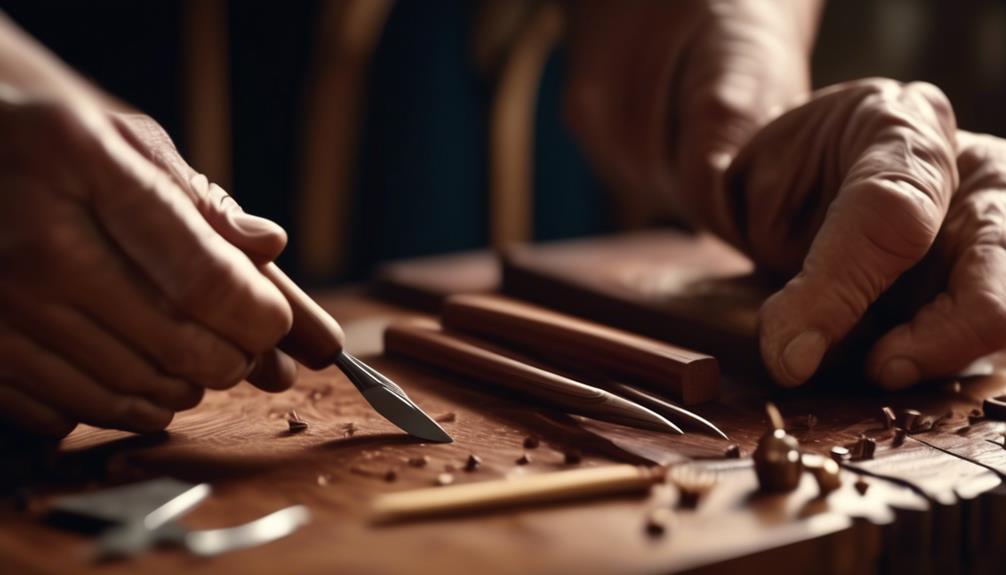 mastering precision with hand tools
You might believe that the age-old adage 'all you need is the right tool for the job' magically bestows upon you the deft precision required for masterful handiwork. Yet, here you are, tools sprawled before you, and that intricate piece you're attempting to craft still seems as daunting as a Rubik's Cube to a toddler.
It's not just about having the finest chisels or the sharpest saws; it's about the finesse with which you wield them. As you hone your skills, you'll learn that the true art lies in the subtle dance of fingers and thumbs, the controlled breaths, and the steady gaze that transforms raw material into a thing of beauty.
Consider the ergonomics of your grip, the weight distribution of your instruments, and the precision of your movements. You're about to explore how patience and practice converge in the pursuit of craftsmanship excellence, and just when you think you've got it all figured out, you'll discover there's always another layer of complexity to unravel.
Key Takeaways
- Tool ergonomics are essential for comfortable and accurate hand tool use.
- High-quality tools made from hardened steel or chrome vanadium offer longevity and precision.
- Regular cleaning, maintenance, and proper storage preserve tool condition and functionality.
- Precision gripping techniques and the use of appropriate measuring instruments are crucial for accuracy in hand tool use.
Understanding Tool Ergonomics
Ergonomics plays a crucial role in hand tool design, ensuring you can work efficiently and comfortably over extended periods. When you're selecting fine tools, consider how tool ergonomics will impact your performance. The right grip size, tool weight, and balance can make a significant difference when you're aiming for precision—much like working with a master craftsman who knows the importance of every subtle movement.
With tool ergonomics in mind, you'll notice that high-quality instruments are tailored to fit the natural contours of your hand, reducing the strain on your muscles and joints. This attention to detail helps prevent fatigue, allowing you to maintain control and accuracy even during long, intricate tasks.
It's not just about comfort; it's about enabling your best work.
Selecting Quality Hand Tools
When choosing hand tools, you'll want to start by considering well-regarded brands that are synonymous with quality and longevity. Brands like Stanley, Klein Tools, or Wera are often the choice of professionals, and for good reason. Their reputation for durability and precision makes them a wise investment for your own masterwork.
As you're selecting quality hand tools, don't overlook the importance of ergonomic design. A tool that sits comfortably in your hand and reduces strain can make a significant difference, especially during long periods of use. You'll find that working with tools that have a comfortable grip allows you to maintain better control, which is crucial when aspiring to the level of a master.
In your experience working with a master, you may have noticed the emphasis they place on the materials of their tools. High-quality tools are typically made from hardened steel or chrome vanadium, ensuring they stand up to the demands of meticulous work. Look for smooth and precise mechanisms, like fine-tooth gears in ratchets or precision-machined tips in screwdrivers.
Lastly, always check the warranty and read customer reviews. These can be telling signs of a tool's reliability and the satisfaction you're likely to experience with your purchase.
The Art of Tool Maintenance
You've selected your tools with care; now it's crucial to keep them in top condition. Regular cleaning not only prevents rust and wear but also ensures your tools are ready when you need them.
Sharpening blades and properly storing your tools will maintain their precision and extend their life.
Regular Cleaning Practices
Maintaining your hand tools through regular cleaning not only preserves their functionality but also extends their lifespan. When you're working on a masterwork, the last thing you need is a tool that's compromised due to neglect. After each use, take the time to wipe down your tools with a soft cloth or brush, removing any dirt or grime.
Don't forget to apply a rust-preventative oil to metal surfaces; it's essential for keeping corrosion at bay. This simple act is needed to keep your tools in prime condition.
Proper storage also plays a crucial role. Ensure you place your tools in a clean, dry area to prevent unnecessary damage. Remember, regular maintenance isn't just about effectiveness; it's also about your safety.
Sharpening for Optimal Performance
Beyond regular cleaning, keeping your hand tools sharp is essential to ensure they perform at their best. Proper sharpening for optimal performance isn't just about maintaining an edge; it's about elevating your work to masterwork.
A sharp tool cuts with less effort, provides greater control, and allows for the high level of precision that distinguishes good from great.
You'll find that with a well-honed blade, your skills shine through more clearly in every piece you create. Invest time in learning the right techniques for your tools, whether it's a chisel, plane, or knife.
And don't forget to regularly check and touch up those edges, because in the world of hand tool mastery, it's the sharpness of your tools that often sets the quality of your work apart.
Proper Storage Solutions
To preserve the integrity and extend the life of your hand tools, proper storage solutions are indispensable. Store them in a clean, dry place to prevent rust and keep them performing like new. Toolboxes and pegboards are your allies here, ensuring each item has a spot, safeguarded by ingenious locking mechanisms that protect their sharp edges and delicate parts.
Don't forget to coil power cords neatly; it's not just about tidiness but also safety. Remember, your tools' longevity reflects the care you put into them—regular cleaning and inspections before tucking them away will pay off in spades.
Techniques for Precision Gripping
When using hand tools, it's crucial to master precision gripping techniques that enhance your control and accuracy. Master locksmiths needed to manipulate intricate lock mechanisms, and the same precision is essential, whether you're a professional or a DIY enthusiast. To outmaneuver the figurative 'rogues' of inaccuracy, here are three ingenious tips:
- Fingertip and Thumb Mastery: Start by using just your fingertips and thumb to grip the tool. This ensures a firm, controlled grip without applying excessive force that could lead to mistakes.
- Steady Hand Technique: Keep your hand steady as you grip the tool. Minimal movement is key to precision. Practice this until it becomes second nature, and you'll notice a significant improvement in your control.
- Grip Variations Exploration: Don't be afraid to experiment with different gripping styles. The three-finger grip and the pencil grip are both excellent for different types of tools and tasks. Find the grip that gives you the most comfort and control for each specific tool.
Mastering Measurement and Marking
You'll find that selecting the right measuring instruments is the first step to achieving precision. Whether you're reaching for a ruler, tape measure, or caliper, accuracy starts with your choice of tool.
Then, applying precision marking techniques ensures your cuts and holes are exactly where they need to be.
Selecting Measuring Instruments
Selecting the right measuring instrument is critical for achieving the precision your project demands. To master the art of measurement, you need tools that match the exactness required and are appropriate for the material and size of your object.
Here's a quick guide to help you choose:
- Match Precision Needs: If you're working on fine-scale models or intricate joinery, opt for calipers or micrometers over a standard ruler.
- Consider the Material: Delicate materials might need contactless measuring tools to prevent damage.
- Maintain Your Tools: Ensure your measuring instruments are regularly calibrated and well-maintained to avoid inaccuracies.
Mastering measurement and marking starts with choosing the right measuring instruments. With these tips, you'll be on your way to flawless precision in your projects.
Precision Marking Techniques
Having chosen the appropriate measuring instruments, it's crucial to apply precision marking techniques to ensure your project's measurements are accurately transferred. Imagine your work as a masterwork—each cut, each joint must come together flawlessly.
Begin with a sharp marking knife or scribe; their fine points allow for more exact lines than pencils. When marking, use light strokes to establish your line, then deepen it with a firmer hand. This two-step approach reduces slipping and increases accuracy.
For intricate work, akin to a locksmith's precision, employ a marking gauge. It consistently scores parallel lines to an edge, vital for joinery.
Always double-check your marks against your measurements. Remember, a project's excellence is often determined in these initial stages of layout.
The Role of Patience and Practice
In the realm of hand tool precision, patience and dedicated practice are your stalwart allies, fostering the muscle memory and control necessary for masterful work. You can't rush a masterwork; it demands your unwavering attention and a steady hand.
As you embark on the journey to refine your skills, consider these points:
- Consistency is Key: Just as locksmiths needed to tackle the most intricate locks, you need to establish regular practice sessions. This routine is essential in developing the finesse required for high-precision tasks.
- Patience Pays Off: You mightn't be a rogue in the party, picking locks under pressure, but you'll still face challenges that test your resolve. Patience allows you to learn from mistakes without compromising your progress.
- Incremental Improvements: Each session builds upon the last, and over time, you'll notice your movements becoming more fluid and accurate. Celebrate the small victories—they're stepping stones to your ultimate goal of proficiency.
Advanced Hand Tool Techniques
Mastering advanced hand tool techniques can dramatically expand your capabilities, allowing you to tackle complex tasks with confidence and precision. When you've honed your skills to the point where you're crafting a masterwork or finessing the Ornate Bianca Grip, you're not just using tools; you're executing art.
Imagine working with master locksmiths, where each movement is a testament to your expertise, your hands moving with an almost unconscious competence.
With Deft Hands, Fine Tools, you unlock not just physical locks but also the potential for greater mastery over your craft. Every turn of a pick, every adjustment of tension, becomes a step closer to perfection. You learn that each masterwork lock presents a unique challenge, a puzzle demanding a solution that only a well-practiced hand can provide.
As you progress, remember that advanced techniques aren't just about strength; they're about subtlety. It's the gentle pressure on a grip, the precise angle of insertion, the patient listening for the telltale click of tumblers falling into place. Embrace these skills, and you'll find doors opening—both literally and metaphorically—that lead to untold treasures and opportunities within your grasp.
Case Studies of Master Craftsmen
Let's delve into the lives of master craftsmen who've elevated the use of hand tools to an art form, showcasing their journey towards achieving unparalleled precision. These artisans have honed their skills through years of dedication, transforming raw materials into works of art with their deft hands and fine tools. They don't just make things; they create masterworks that stand as a testament to their skill and patience.
Here are three fascinating case studies:
- The Japanese Woodworker: With a lineage of woodworking that traces back centuries, this craftsman uses traditional hand planes and chisels to create joinery that fits with hairline precision. The secret? A lifetime of practice and a philosophy that blends with their craft, treating each piece of wood as a partner rather than a mere material.
- The Swiss Watchmaker: In the realm of horology, precision isn't just a goal, it's a necessity. This master watchmaker crafts timepieces with gears and springs so precise, they become heirlooms. Their secret involves an almost meditative focus and tools that are extensions of their hands.
- The English Luthier: Specializing in stringed instruments, this luthier's violins are sought after worldwide. Each curve and string is a testament to their mastery of woodworking tools, and the resulting sound is a secret symphony of precision and passion.
Frequently Asked Questions
How Do You Get Deft Hands and Fine Tools?
You'll need to spend points in the Secrets category and have at least 4 points in Leliana's category to unlock the Deft Hands, Fine Tools perk, which lets you open masterwork locks.
How Do You Get Inquisition Perks in Dragon Age?
To acquire Inquisition perks in Dragon Age, you'll need to garner influence through completing quests, then spend it at the War Table to unlock various upgrades, including the 'Deft Hands, Fine Tools' perk.
Conclusion
You're at the bench, your hands dance with the grace of a seasoned artist, the chisel's edge a whisper against wood. With each curl of shaving, your skill grows, honed like the fine steel in your grip. Sunlight glints on polished tools, a testament to your devotion.
Feel the satisfaction of precision, the reward of patience. Your craft is a canvas, your tools, the brush. Embrace the mastery you've sculpted, for in your hands, every detail sings.